
With over a decade of hands-on concrete installation experience serving homeowners in San Antonio and Houston, we’ve built and repaired hundreds of outdoor slabs in Texas soil and heat.
Based on real-world construction standards and local climate demands, here’s the clear answer:
A concrete patio is a flat, outdoor living surface made from poured or precast concrete, typically installed behind or beside a home for seating, dining, and entertaining. It is designed for durability, low maintenance, and long-term performance.
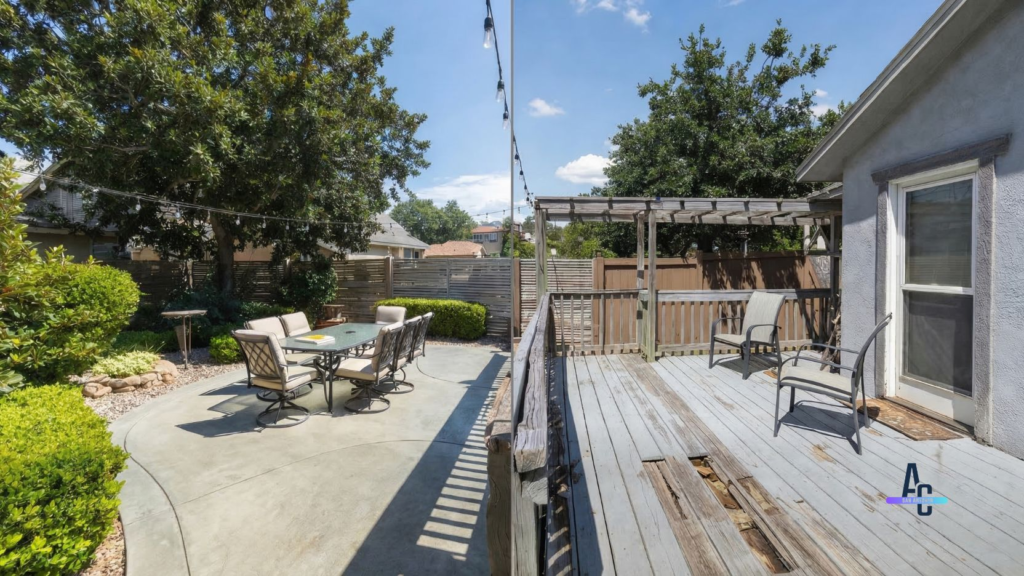
Unlike wood decks, concrete patios sit directly on a prepared and compacted base, making them more resistant to rot, insects, and weather damage.
How Is A Concrete Patio Built?
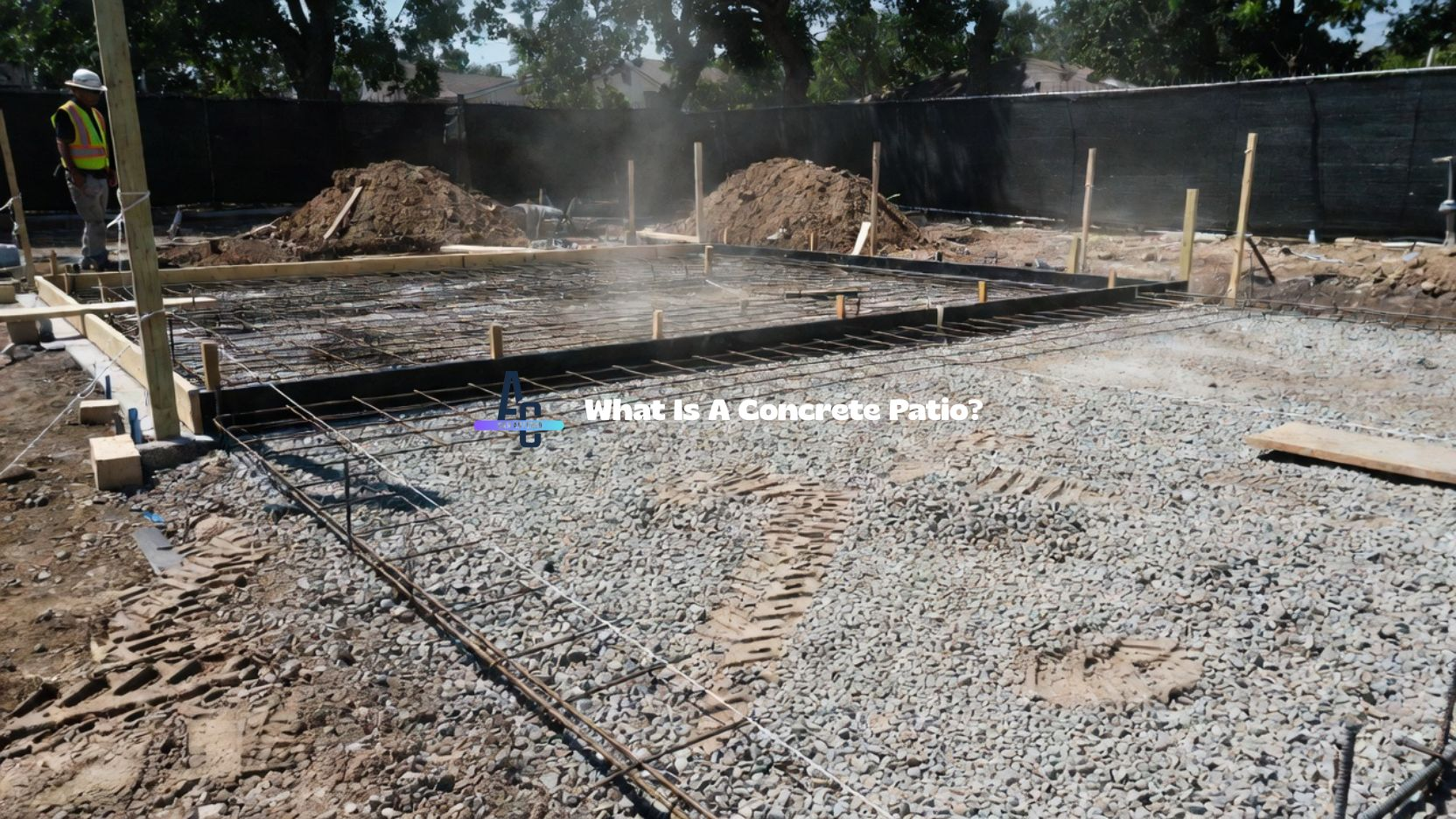
A properly built concrete patio follows a structured installation process.
In simple terms: it’s not just “pouring concrete.” It’s engineered ground preparation.
Standard Installation Steps
- Site layout and excavation
- Compacted gravel base (typically 4–6 inches)
- Form setting for shape and elevation
- Reinforcement (rebar or wire mesh when needed)
- Concrete pour and finishing
- Control joints to manage cracking
- Curing and sealing
Key takeaway: Most patio failures stem from poor base preparation, not the concrete itself.
In areas like San Antonio and Houston, soil movement and moisture shifts make proper compaction critical.
What Are The Different Types Of Concrete Patios?
Concrete patios are highly customizable. Homeowners can choose finishes based on style, budget, and traction needs.
1. Standard (Broom Finish) Patio
A basic textured finish for slip resistance.
Best for: Budget-friendly durability.
2. Stamped Concrete Patio
Concrete patterned to mimic stone, brick, slate, or wood.
Best for: Decorative outdoor living spaces.
3. Stained Concrete Patio
Color added through acid or water-based stains.
Best for: Custom color and visual depth.
4. Exposed Aggregate
The top layer was washed to reveal the natural stone texture.
Best for: Traction and decorative appeal.
How Long Does A Concrete Patio Last?
A properly installed concrete patio can last 30 years or more.
Longevity depends on:
- Soil preparation
- Reinforcement
- Drainage design
- Expansion joints
- Sealing maintenance
In Texas, where the climate is hot and occasional freeze events occur, sealing every few years helps prevent surface wear and moisture penetration.
Is A Concrete Patio Better Than A Wood Deck?
For many homeowners, yes.
| Feature | Concrete Patio | Wood Deck |
| Lifespan | 30+ years | 10–15 years |
| Maintenance | Low | High (staining/sealing yearly) |
| Insect Damage | None | Possible |
| Heat Resistance | High | Moderate |
| Cost Over Time | Lower long-term | Higher upkeep |
Summary: Concrete typically offers better durability and lower lifetime maintenance costs.
Does A Concrete Patio Increase Property Value?
Yes, especially in markets like San Antonio and Houston, where outdoor living is common year-round.
A well-designed patio can:
- Improve curb appeal
- Expand usable living space
- Increase buyer interest
- Support higher resale value
Outdoor living spaces consistently rank among desirable home upgrades in real estate surveys.
How Much Maintenance Does A Concrete Patio Need?
Concrete patios are considered low-maintenance.
Basic care includes:
- Occasional cleaning with mild detergent
- Sealing every 2–3 years
- Monitoring control joints
- Addressing small cracks early
Unlike wood, there is no sanding, staining, or board replacement.
Is A Concrete Patio Good For Texas Weather?
Yes, when installed correctly.
In San Antonio and Houston, patios must handle:
- High UV exposure
- Heavy rain
- Expansive clay soils
- Occasional freeze cycles
Proper drainage slope and expansion joints are essential for long-term performance.
FAQs
What Is The Main Purpose Of A Concrete Patio?
A concrete patio creates a durable outdoor living space for seating, dining, grilling, and entertaining.
How Thick Should A Concrete Patio Be?
Most residential patios are 4 inches thick, installed over a properly compacted base.
Can A Cracked Patio Be Repaired Instead Of Replaced?
Small cracks can often be filled or resurfaced. Large structural cracks may require replacement depending on base failure.