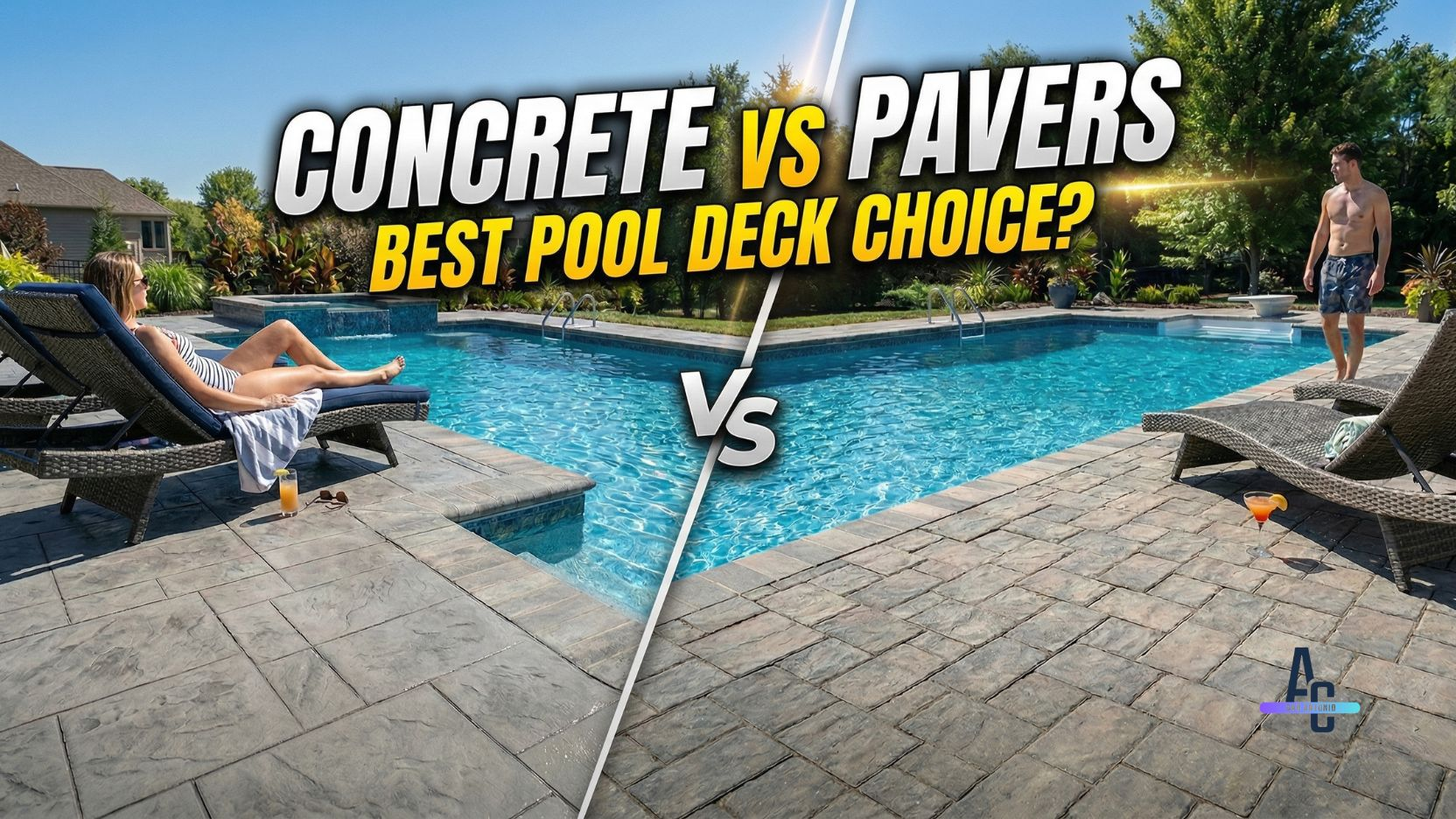
If you’re choosing between concrete and pavers for a pool deck, concrete is usually the better choice for most San Antonio homeowners who want lower maintenance, strong heat performance, and better long-term value. Pavers can offer a premium look and easier spot repairs, but they often need more joint maintenance and can shift over time.
At Affordable Concrete San Antonio, we work with homeowners in San Antonio and nearby areas on pool decks, resurfacing, repairs, and decorative concrete. In hot Texas weather, the best pool deck material usually comes down to safety, upkeep, cost, drainage, and how the surface handles sun and water over time.
Are Concrete Or Pavers Better For A Pool Deck?
Concrete is better for most pool decks when you want durability, simpler maintenance, and a lower upfront cost. Pavers are a strong option if appearance and modular repair matter most.
Here’s the short comparison:
| Feature | Concrete Pool Deck | Paver Pool Deck |
| Upfront cost | Usually lower | Usually higher |
| Maintenance | Lower | Moderate to higher |
| Repair | Larger sections may need work | Individual pavers can be replaced |
| Slip resistance | Good with proper finish | Good with textured pavers |
| Heat performance | Can be improved with coatings/textures | Depends on material and color |
| Movement over time | Less joint movement | Can shift or settle |
| Design options | Strong decorative range | Strong decorative range |
Key takeaway: If you want a clean, durable, and cost-effective pool deck, concrete usually wins. If you want a segmented look and easy piece-by-piece repair, pavers may appeal more.
Which Pool Deck Lasts Longer In Texas Heat?
A properly installed concrete pool deck can last for decades in Texas heat with the right mix, joints, drainage, and sealer. Pavers also last a long time, but the system depends heavily on the base, sand, edge restraints, and ongoing joint care.
In San Antonio, pool decks deal with:
- High summer temperatures
- UV exposure
- Sudden rain
- Soil movement
- Heavy foot traffic
Concrete performs well when installed with:
- Proper subgrade preparation
- Expansion and control joints
- Correct slope for drainage
- A slip-resistant finish
- Periodic sealing
Pavers can also perform well, but weed growth, joint sand loss, and settling can become recurring issues if the base is not built correctly or maintenance is skipped.
Is Concrete Cheaper Than Pavers For A Pool Deck?
Yes, concrete is usually more affordable than pavers for the initial installation. That makes it the more budget-friendly option for many homeowners.
Costs vary by size, finish, site access, demolition needs, and drainage work. In general:
- Standard concrete is often the lower-cost option
- Decorative concrete costs more than plain concrete, but often less than premium paver systems
- Pavers usually cost more because of material and labor
Over time, maintenance also matters. Concrete often needs:
- Cleaning
- Resealing
- Minor crack monitoring
Pavers may need:
- Joint sand replenishment
- Weed control
- Resetting areas that settle
- Periodic cleaning and sealing
Key takeaway: If your main goal is value, concrete usually offers the better balance of price, performance, and appearance.
Are Pavers Safer Than Concrete Around A Pool?
Not necessarily. Both can be safe if the surface is designed for traction. The safer option depends more on finish and maintenance than on the material alone.
For concrete pool decks, good safety features include:
- Broom finish
- Textured overlay
- Kool Deck-style topping
- Non-slip sealer additives
For pavers, safety depends on:
- Texture
- Material type
- Joint condition
- Surface cleanliness
A slick sealed surface, standing water, or algae buildup can make either material more slippery. Around pools, drainage is critical. A deck should usually slope about 1/4 inch per foot so water moves away properly.
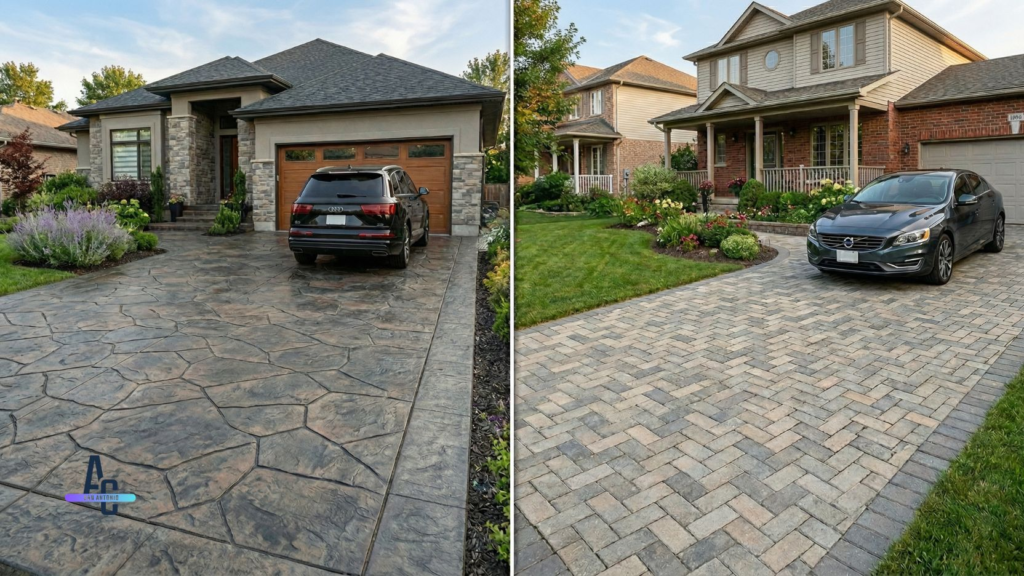
Which Looks Better: Decorative Concrete Or Pavers?
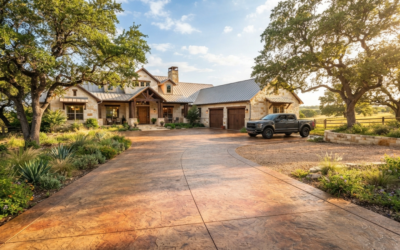
Both can look excellent, but decorative concrete gives homeowners more design flexibility at a lower price point.
Concrete design options include:
- Stamped concrete
- Stained concrete
- Colored concrete
- Exposed aggregate
- Broom finish
- Cool deck coatings
Pavers offer:
- A high-end modular look
- Multiple shapes and laying patterns
- Easy color blending
- Strong visual separation between units
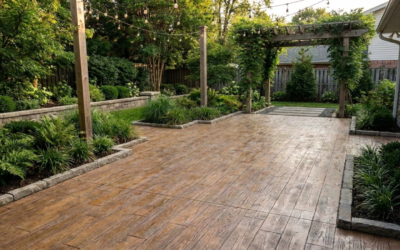
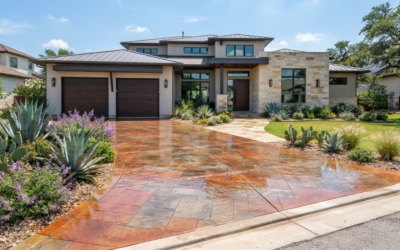
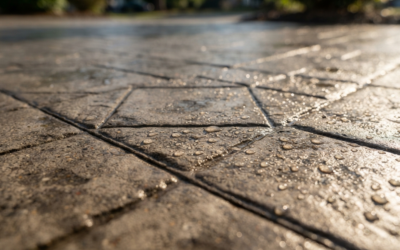
If you want the look of stone, slate, or tile without paying for natural materials, stamped concrete is one of the most practical choices.
What Is The Best Pool Deck Choice For San Antonio Homeowners?
For most San Antonio homeowners, concrete is the best pool deck choice because it handles heat well, offers strong design options, and is easier to maintain over time.
This matters even more in South Texas, where decks must handle:
- Intense sun
- Expansion and contraction
- Splash-out water
- Backyard entertaining
- Long-term property value
Homeowners in San Antonio and Houston often want a pool deck that is:
- Durable
- Slip-resistant
- Comfortable underfoot
- Attractive
- Cost-effective
Concrete checks those boxes when installed correctly.
Final Thought: Concrete VS Pavers For Pool Decks
Concrete is the better all-around pool deck choice for most homeowners. It usually costs less upfront, gives you more finish options, and requires less maintenance than pavers.
Pavers still make sense if you prefer a modular look and want easier spot repairs. But for most residential pool areas, decorative concrete offers the strongest mix of performance, appearance, and value.
FAQs
Does Concrete Crack More Than Pavers?
Concrete can crack, but proper joints and installation help control that risk. Pavers do not crack the same way as a slab, but they can shift, separate, or settle.
Is Stamped Concrete Good For Pool Decks?
Yes, stamped concrete is a popular pool deck option when it includes slip-resistant texture, proper sealing, and correct drainage.
Do Pavers Get Hotter Than Concrete?
Some pavers can get hotter than certain concrete finishes, especially darker surfaces. Lighter colors and heat-reducing coatings can help with either material.