
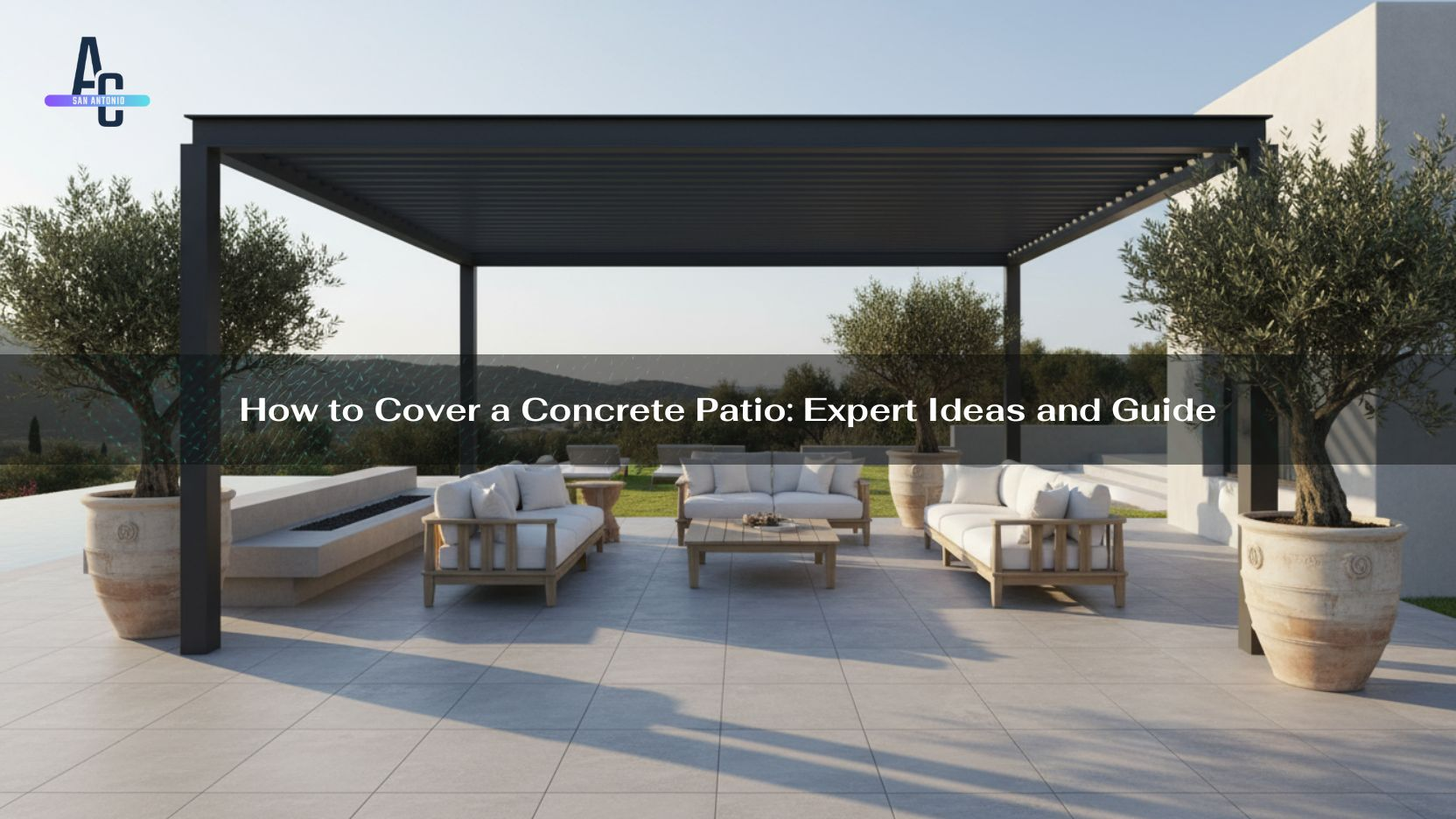
Knowing how to cover a concrete patio the right way can completely change how your outdoor space looks, feels, and performs. Bare concrete is functional, but it’s rarely comfortable, visually appealing, or long-lasting without protection. Over time, exposure to sun, rain, temperature swings, and foot traffic causes cracking, discoloration, and surface wear.
Covering a concrete patio isn’t just a cosmetic upgrade, it’s a strategic improvement that enhances usability, protects your investment, and can significantly increase home value.
This guide delivers a professional, research-driven breakdown of the best concrete patio covering options, including materials, costs, durability, installation steps, and expert decision criteria written with real-world homeowner and contractor considerations in mind.
What Does It Mean to Cover a Concrete Patio?
Covering a concrete patio means adding a protective or decorative surface layer on top of existing concrete to improve appearance, comfort, durability, or weather resistance.
A “cover” can be:
- A surface overlay (tile, pavers, coatings, decking)
- A structural cover (pergola, roof, awning)
- Or a hybrid solution combining both
The best solution depends on:
- Climate exposure
- Patio condition
- Budget
- Intended use (entertaining, dining, lounging)
- Long-term maintenance tolerance
Why Homeowners Cover Concrete Patios
From an expert standpoint, concrete patios are rarely left uncovered for long. Here’s why.
1. Comfort & Usability
Bare concrete:
- Absorbs heat
- Becomes slippery when wet
- Feels harsh underfoot
Coverings add insulation, traction, and comfort.
2. Visual Upgrade
Concrete is utilitarian. Covers allow homeowners to:
- Match architectural style
- Create outdoor “rooms”
- Elevate curb appeal instantly
3. Surface Protection
Covering concrete helps:
- Reduce cracking
- Minimize moisture intrusion
- Extend slab lifespan
4. Property Value
Well-designed patio upgrades are among the highest ROI exterior improvements, especially in warm-weather markets.
Best Ways to Cover a Concrete Patio (Compared)
Below is an expert comparison of the most effective and widely used options.
1. Outdoor Tile (Porcelain, Ceramic, Stone)
Best for: Design-forward patios, modern or Mediterranean homes
Pros
- High-end appearance
- Heat-resistant porcelain options
- Easy to clean
Cons
- Requires proper substrate prep
- Cracks if concrete shifts
- Higher labor costs
Average cost: $6–$15 per sq ft
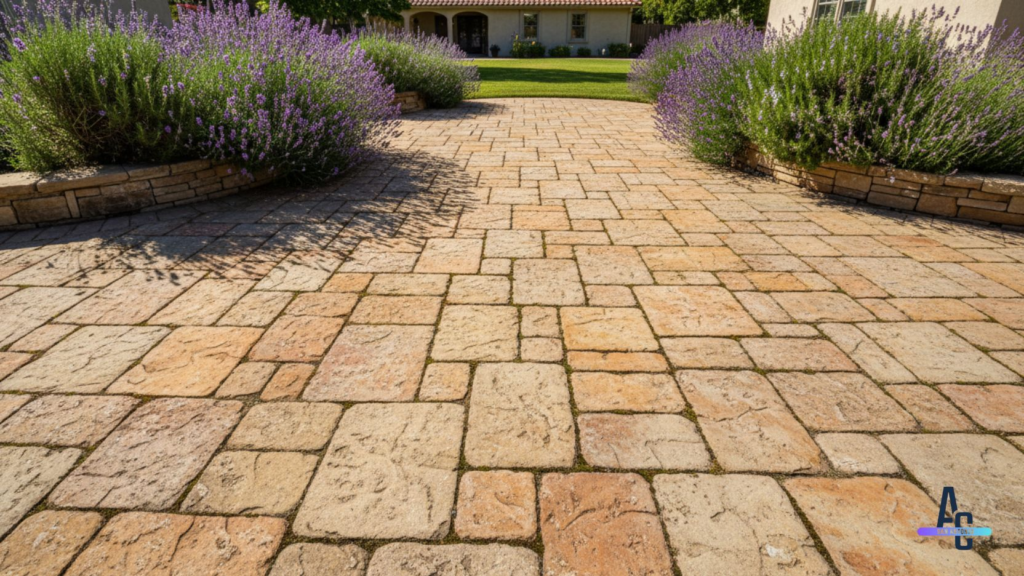
2. Concrete Pavers Over Concrete
Best for: Long-term durability and drainage
Pros
- Individual pavers reduce cracking risk
- Replaceable sections
- Excellent traction
Cons
- Higher installation complexity
- Slight height increase
Average cost: $8–$20 per sq ft
3. Composite or Wood Decking Over Concrete
Best for: Warm, natural aesthetics
Pros
- Comfortable underfoot
- Great for entertaining
- Composite resists rot and insects
Cons
- Requires framing system
- Reduced drainage if poorly designed
Average cost: $10–$25 per sq ft
4. Outdoor Rugs or Interlocking Deck Tiles
Best for: Budget-friendly, renter-safe upgrades
Pros
- Easy DIY
- No permanent installation
- Quick aesthetic improvement
Cons
- Limited durability
- Seasonal lifespan
Average cost: $2–$7 per sq ft
5. Concrete Coatings & Resurfacing
Best for: Cost-effective upgrades
Options include:
- Epoxy
- Acrylic overlays
- Stamped concrete resurfacing
Pros
- Affordable
- Fast installation
- Seamless look
Cons
- Requires periodic reapplication
- Not ideal for extreme climates
Average cost: $3–$10 per sq ft
6. Structural Covers (Pergolas, Patio Covers, Awnings)
Best for: Shade and weather protection
Pros
- UV and rain protection
- Improves year-round usability
- Boosts home value
Cons
- Doesn’t address surface comfort alone
- Higher upfront investment
Average cost: $1,500–$10,000+
How to Choose the Right Patio Cover
Professionals evaluate five critical factors before recommending a solution.
1. Climate & Exposure
- Hot climates- heat-resistant surfaces
- Wet climates- slip-resistant, well-drained materials
- Freeze-thaw zones- avoid rigid tile without decoupling membranes
2. Concrete Condition
- Minor cracks- coatings or deck tiles
- Major damage- pavers or decking systems
3. Budget vs Longevity
Short-term fix or long-term investment? Your answer changes everything.
4. Maintenance Tolerance
Some homeowners want zero upkeep. Others are fine with sealing or refinishing.
5. Intended Use
Dining, entertaining, lounging, or all three?
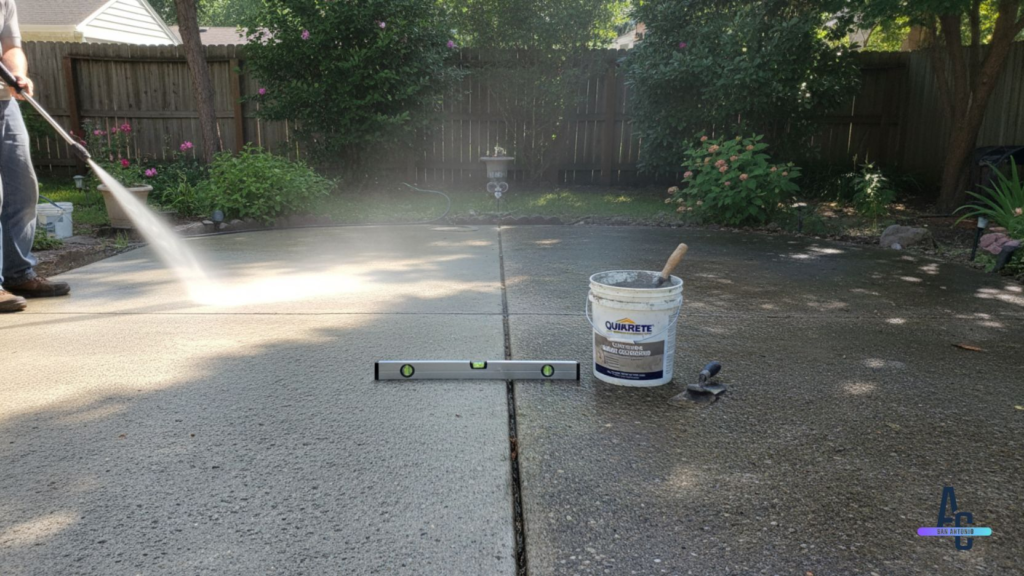
Step-by-Step: How to Cover a Concrete Patio
Step 1: Inspect the Concrete
Look for:
- Structural cracks
- Drainage issues
- Leveling problems
Address these first no cover fixes bad concrete.
Step 2: Clean and Prep
Pressure wash, remove stains, and allow full drying. Proper prep determines lifespan.
Step 3: Choose the Covering Type
Match material to:
- Climate
- Traffic
- Budget
- Aesthetic goals
Step 4: Install or Frame (If Required)
- Tiles and pavers need leveling systems
- Decking requires sleepers or subframes
- Coatings need moisture testing
Step 5: Finish and Seal
Seal where applicable to protect against UV, moisture, and stains.
Cost Breakdown by Covering Type
| Covering Type | Low | High | Lifespan |
| Outdoor Rugs | $200 | $800 | 1–3 yrs |
| Coatings | $500 | $3,000 | 5–10 yrs |
| Tile | $1,500 | $6,000 | 10–20 yrs |
| Pavers | $2,000 | $8,000 | 20+ yrs |
| Decking | $3,000 | $12,000 | 15–30 yrs |
Maintenance, Longevity & Climate Considerations
- Seal natural stone every 1–3 years
- Avoid dark materials in extreme heat
- Ensure proper drainage under rigid systems
- Inspect annually for movement or moisture
Common Mistakes to Avoid
- Covering damaged concrete without repairs
- Ignoring drainage
- Choosing indoor materials outdoors
- Skipping expansion joints
- Underestimating heat retention
FAQs
What is the cheapest way to cover a concrete patio?
Outdoor rugs, deck tiles, or acrylic coatings.
Can you put pavers directly over concrete?
Yes with proper drainage and edge restraint.
Is it better to cover or remove old concrete?
Covering is usually faster, cheaper, and less disruptive.
Does covering concrete increase home value?
Yes especially when paired with shade structures.
Final Expert Recommendations
If your goal is to maximize comfort, durability, and ROI, the best approach to covering a concrete patio balances material performance, climate suitability, and long-term maintenance.
For most homeowners:
- Budget-focused: coatings or tiles
- Long-term durability: pavers or composite decking
- Year-round use: surface cover + pergola or patio roof
A properly covered concrete patio isn’t just an upgrade, it’s an outdoor living asset built to last.