With over a decade working with residential concrete projects across San Antonio and Houston, TX, I’ve seen firsthand how climate, soil conditions, and lifestyle needs shape the best outdoor materials. If you’re wondering whether concrete is the right patio choice, here’s the clear answer:
Concrete patios are perfect for San Antonio homes because they handle extreme heat, shifting soil, heavy rain, and outdoor living demands better than most alternatives while staying cost-effective and low maintenance.
Let’s break down exactly why.
Why Does San Antonio’s Climate Make Concrete Patios A Smart Choice?
San Antonio’s heat and soil movement demand durable, stable materials and concrete delivers.
South Texas weather brings:
- Intense UV exposure
- 100°+ summer temperatures
- Heavy rainstorms
- Expansive clay soils
Wood decks warp and fade. Pavers can shift as soil expands and contracts. Natural stone can crack under movement.
Properly installed and reinforced concrete slabs are engineered to withstand soil movement and temperature swings. With control joints and correct base preparation, cracking is minimized and managed.
Key takeaway: In hot, shifting-soil climates like San Antonio and Houston, concrete offers superior structural stability.
Is A Concrete Patio More Affordable Than Other Patio Options?
Yes. Concrete is typically one of the most cost-effective long-term patio materials.
Here’s a simplified comparison:
| Material | Upfront Cost | Maintenance | Lifespan |
| Wood Deck | Medium–High | High | 10–15 yrs |
| Pavers | High | Medium | 20+ yrs |
| Natural Stone | High | Medium | 25+ yrs |
| Concrete | Low–Medium | Low | 25+ yrs |
Concrete generally costs less per square foot than premium pavers or stone and requires significantly less maintenance than wood.
There’s no annual staining, minimal weed growth, and fewer shifting issues compared to individual pavers.
For property value-focused homeowners, that balance of durability and affordability matters.
Does Concrete Increase Curb Appeal?
Yes, modern concrete patios can dramatically upgrade curb appeal.
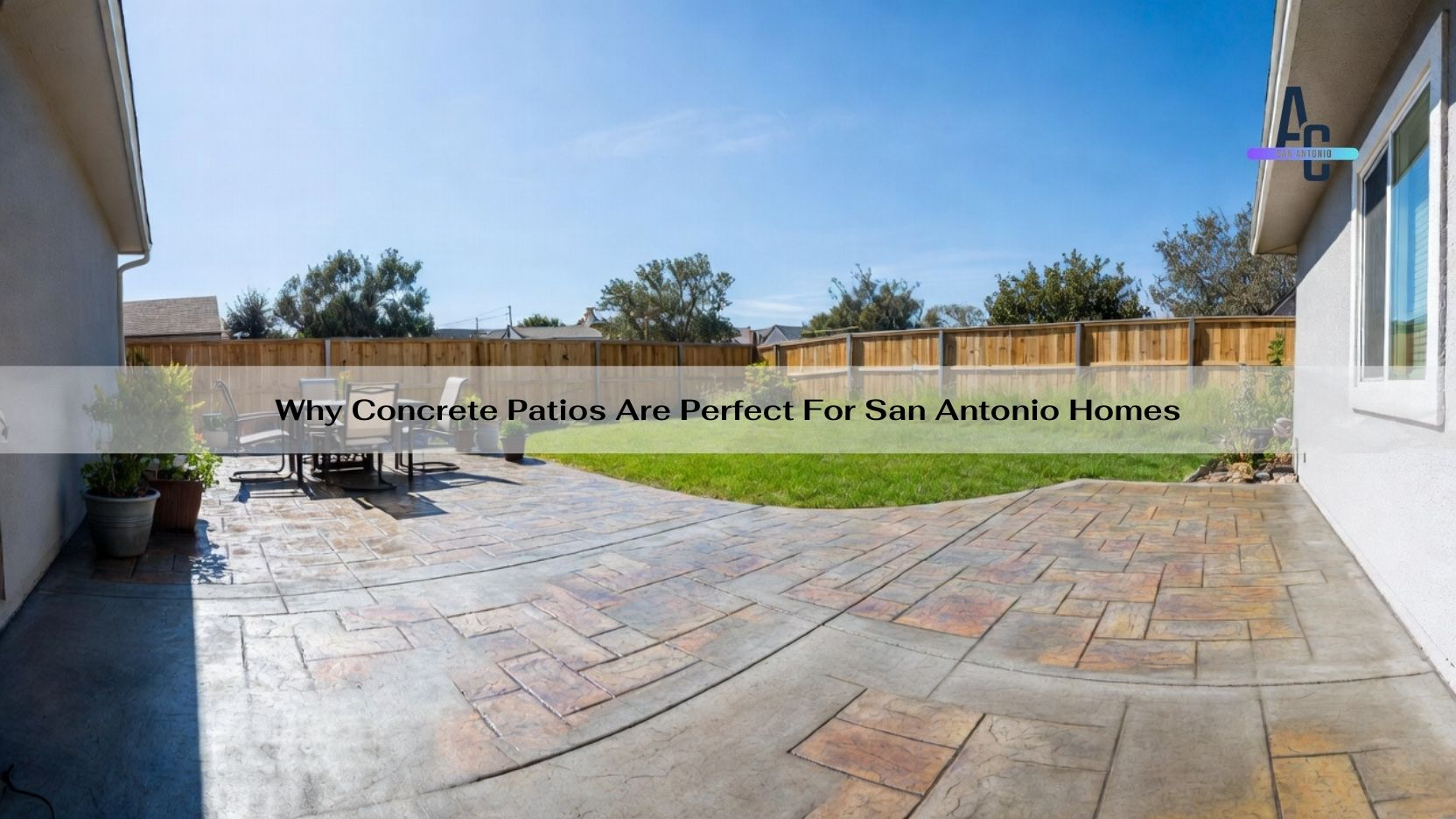
Today’s concrete isn’t just a plain gray slab. Options include:
- Stamped concrete (stone, brick, wood-look textures)
- Stained concrete (earth tones, modern grays)
- Broom finishes (clean, slip-resistant look)
- Exposed aggregate (decorative texture)
In neighborhoods across San Antonio and Houston, homeowners are using decorative concrete to:
- Extend living spaces outdoors
- Frame pools
- Create outdoor kitchens
- Modernize older homes
Well-designed patios feel intentional, not industrial.
Key takeaway: With the right finish, concrete enhances both usability and visual appeal.
Is Concrete A Good Choice For Pool Areas In Texas?
Concrete is one of the best materials for pool decks in Texas.
Here’s why:
- Handles direct sun exposure
- Resists water damage
- Can be textured for slip resistance
- Stays structurally stable with proper reinforcement
Stamped and brushed finishes provide grip, which is important for pool owners. Light-colored stains can also reduce surface heat absorption compared to darker materials.
For homeowners replacing cracked pool decks, reinforced concrete with expansion joints is often the most reliable long-term solution.
What About Cracked Or Damaged Concrete Should You Replace It?
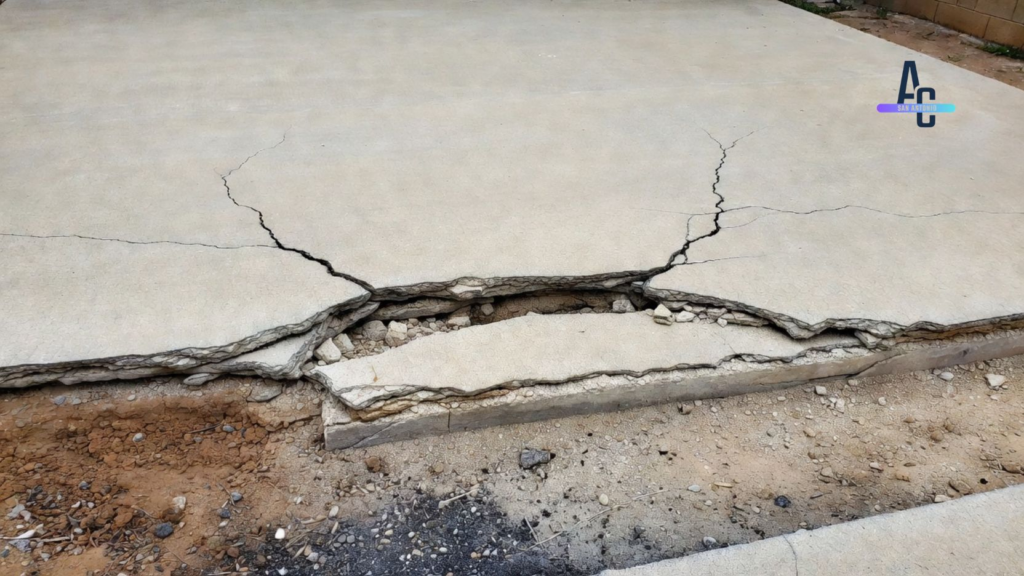
If your patio is severely cracked, uneven, or settling, replacement is often smarter than patching.
Common causes in San Antonio and Houston:
- Expansive clay soil movement
- Poor base preparation
- No reinforcement
- No control joints
Small hairline cracks are normal. Large separation cracks or sinking sections indicate deeper structural issues.
When replacing, proper steps include:
- Compacted base layer
- Steel reinforcement (rebar or mesh)
- Control joints
- Correct curing process
Cutting corners during installation is usually what leads to premature failure, not the material itself.
Are Concrete Patios Good For Entertaining And Outdoor Living?
Yes concrete patios are ideal for outdoor kitchens, fire pits, and covered extensions.
San Antonio homeowners increasingly invest in:
- Pergolas
- Outdoor grills
- Seating walls
- Covered patios
Concrete provides a stable foundation for:
- Heavy furniture
- Built-in grills
- Outdoor fireplaces
- Commercial-grade patio equipment
For light commercial clients such as small cafés or rental properties concrete’s durability makes it practical for foot traffic and long-term use.
How Long Does A Concrete Patio Last In Texas?
A properly installed concrete patio can last 25–30+ years in Texas.
Longevity depends on:
- Base preparation
- Reinforcement
- Drainage planning
- Sealing (optional but helpful)
Minimal maintenance includes:
- Occasional cleaning
- Sealing every few years (for decorative finishes)
- Monitoring joints
Compared to wood decks that require ongoing upkeep, concrete remains one of the lowest-maintenance outdoor surfaces available.
FAQs
Are Concrete Patios Worth It In San Antonio?
Yes. They’re durable, cost-effective, and well-suited for Texas heat and soil movement. When properly installed, they outperform many alternative materials long term.
Does Concrete Crack In Texas Heat?
Concrete can crack if poorly installed, but control joints and reinforcement significantly reduce structural cracking. Minor hairline cracks are normal and typically cosmetic.
Is Stamped Concrete Better Than Pavers?
Stamped concrete is usually more affordable and requires less maintenance. Pavers offer modular repair flexibility but can shift over time in expansive soil areas like San Antonio and Houston.