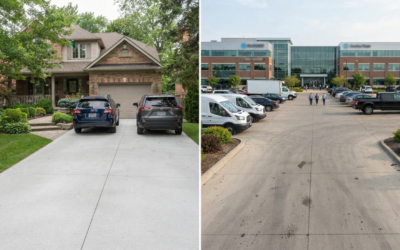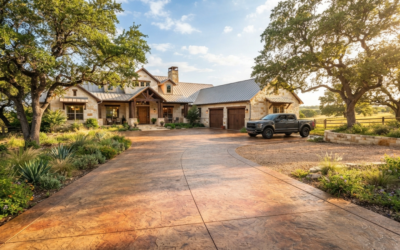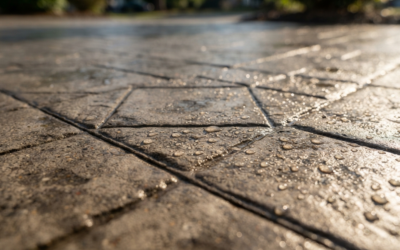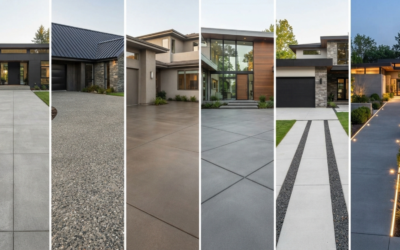
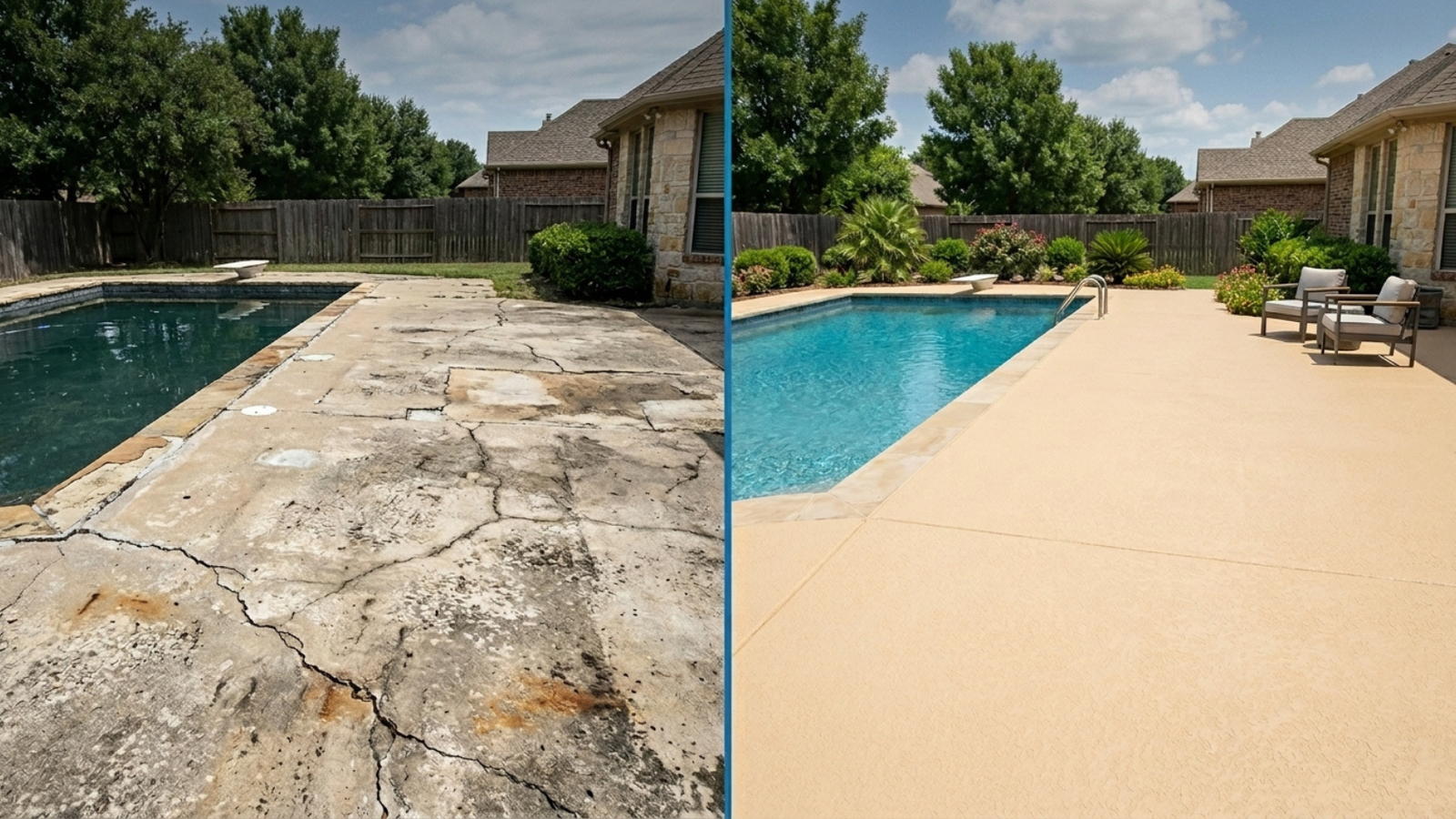
Everything you need to know about cracks, settling, resurfacing, and choosing the right contractor for your San Antonio pool deck repair project.
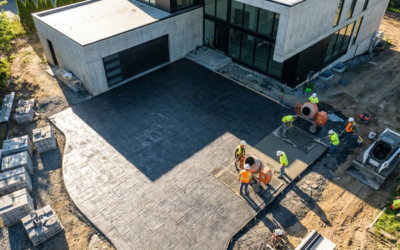
basic crack repair
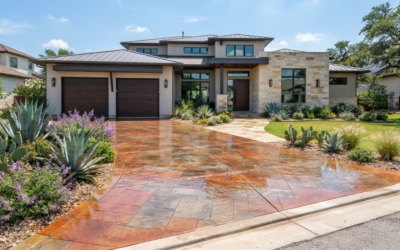
full resurfacing
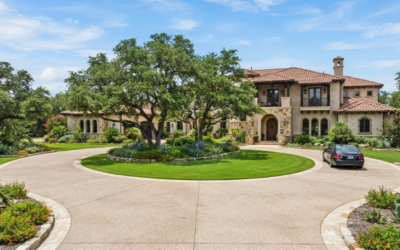
after repair
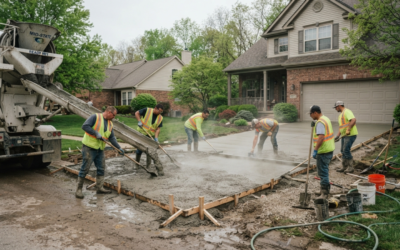
resealing
San Antonio pool decks deal with a combination of stresses that few other concrete surfaces face. You have the chemical exposure from pool water and chlorine splash. You have the daily cycle of wet and dry surfaces in extreme Texas heat. You have Bexar County's expansive clay soil that shifts with every rain and dry spell. And you have the slip-and-fall liability that comes with any deck where people walk barefoot on a wet surface.
When cracks appear, when sections heave or sink, when the surface becomes slick or pitted, the temptation is to patch it and move on. That approach works for minor cosmetic issues. But for any crack wider than a quarter inch, any section with vertical displacement, or any deck that has started scaling or spalling across large areas, the repair strategy matters as much as the repair itself. A contractor who fills a crack without addressing what caused it is giving you a fix that fails in the next season.
This guide covers everything you need to know about pool deck repair in San Antonio: how to read what your deck is telling you, what the repair options actually are, what they cost, and how to find a contractor who will do the job right.
In San Antonio, most pool deck failures start below the surface. The clay soil expands when wet and contracts when dry, putting constant upward and lateral pressure on the slab. A crack is the symptom. Soil movement is almost always the cause. Any repair that does not account for this will fail. A good contractor assesses the base condition before recommending a solution, not after.
Hairline cracks (under 1/8 inch wide) that do not show vertical displacement are almost always shrinkage cracks from the original cure. Every concrete slab loses moisture as it cures and shrinks slightly in the process. Without adequate control joints, that shrinkage creates random hairline cracking. These are cosmetic, not structural.
The repair for true hairline cracks is straightforward: clean the crack with a wire brush and compressed air, apply a flexible polyurethane or epoxy crack filler rated for concrete, and seal the deck. The important test is whether the crack is still active (still growing) or static. A static crack can be filled and sealed with confidence. An active crack needs to be monitored for at least one full seasonal cycle before permanent repair to understand the movement pattern.
- Confirm crack width is under 1/8 inch with a credit card edge or feeler gauge
- Check for any vertical displacement by running your finger across the crack
- Mark the crack ends with pencil and date it to test if it is still growing
- If static for 60 days, clean and fill with polyurethane crack filler
- Seal the full deck after repair to prevent water infiltration
A crack where one side is higher than the other tells you that sections of the slab have moved independently. This is almost always a base failure. In San Antonio, the most common cause is clay soil expansion on one side of the crack while the other side stays stable, or tree root intrusion lifting one panel. This is not a cosmetic issue and cannot be fixed with filler alone.
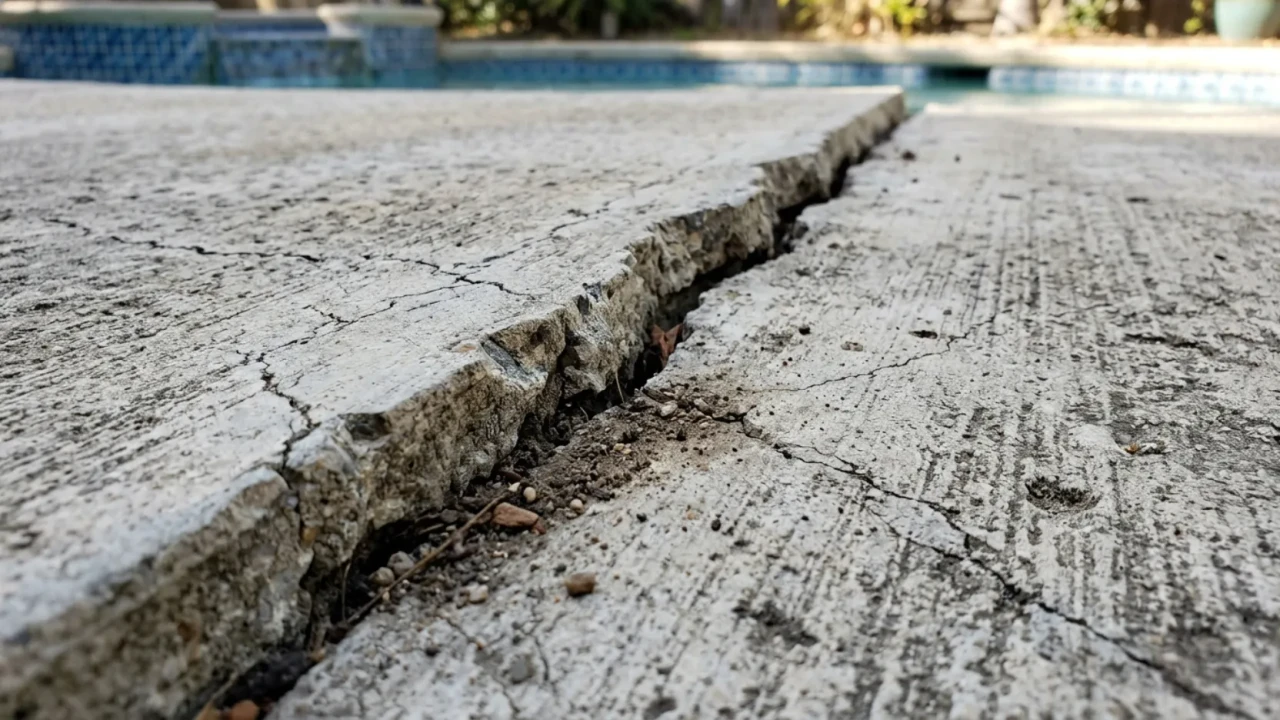
True structural repair requires removing the affected slab section, correcting the base (re-compacting or adding crushed limestone fill), and pouring new concrete. In some cases, mudjacking or polyurethane foam injection can lift a settled section back to level without full removal. The right choice depends on the cause: if it is settling from soil loss, foam injection works well. If it is heaving from root or clay pressure, the obstruction must be removed first.
- Measure the vertical displacement at its highest point
- Look for tree roots within 10 feet of the affected area
- Check whether the low side is soft or hollow-sounding when tapped
- Get a contractor assessment before attempting any DIY repair
- Ask specifically whether the quote includes base correction, not just surface repair
Spalling is when chunks of the concrete surface flake off, exposing the aggregate beneath. Scaling is a milder version where thin surface layers peel. Both happen most in San Antonio pool decks from a combination of pool chemical exposure (chlorine lowers surface pH over time), deicing salts if used in winter, and freeze-thaw cycling during rare cold snaps. They can also result from a too-wet original mix or inadequate curing.
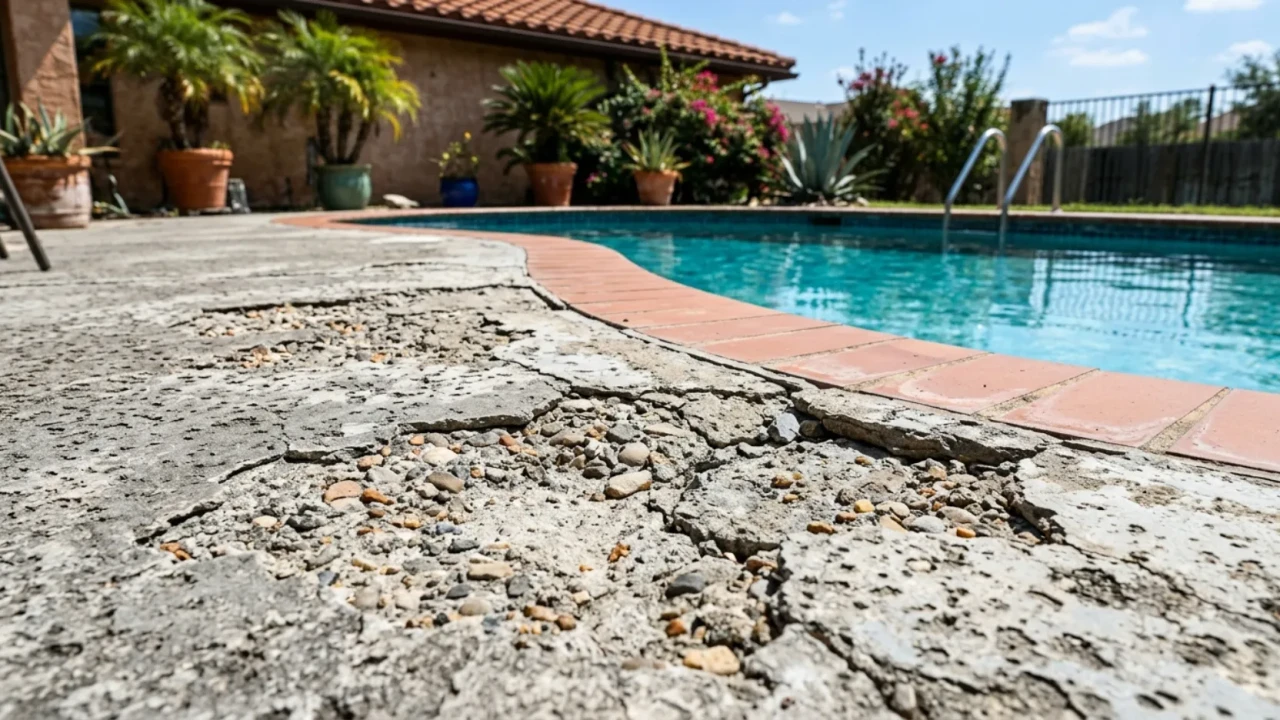
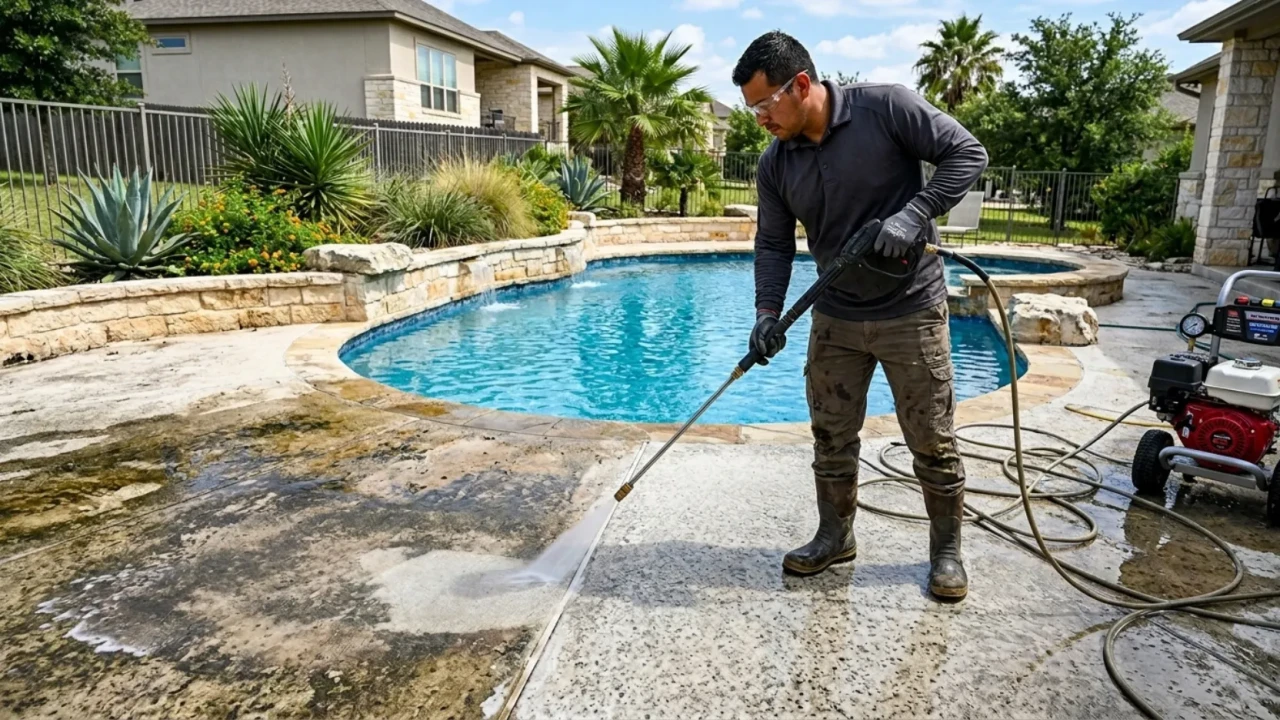
Minor spalling (under 1/4 inch deep, covering less than 10% of the deck) can be repaired with a polymer-modified concrete patching compound. Extensive spalling is best addressed with full resurfacing: grinding the existing surface, applying a bonding primer, and installing a new 1/4 to 3/8 inch overlay. Resurfacing is far less expensive than full slab replacement and is the right call when the structural integrity is sound but the surface has deteriorated.
- Measure the depth of the deepest spalled area with a ruler
- Estimate the percentage of total deck area that is affected
- Test surrounding concrete by tapping: a hollow sound means the bond is failing below the surface
- Confirm the contractor is using a polymer-modified, UV-stable, pool-compatible overlay product
- Ask for the product data sheet and verify it is rated for pool deck environments
A pool deck section that has sunk below its original level creates two problems: a trip hazard at the transition point and a drainage issue where water pools against the pool coping or house foundation instead of flowing away. In San Antonio, settling is most common directly adjacent to the pool shell, where the fill soil used during pool installation is not as compacted as the surrounding native ground.
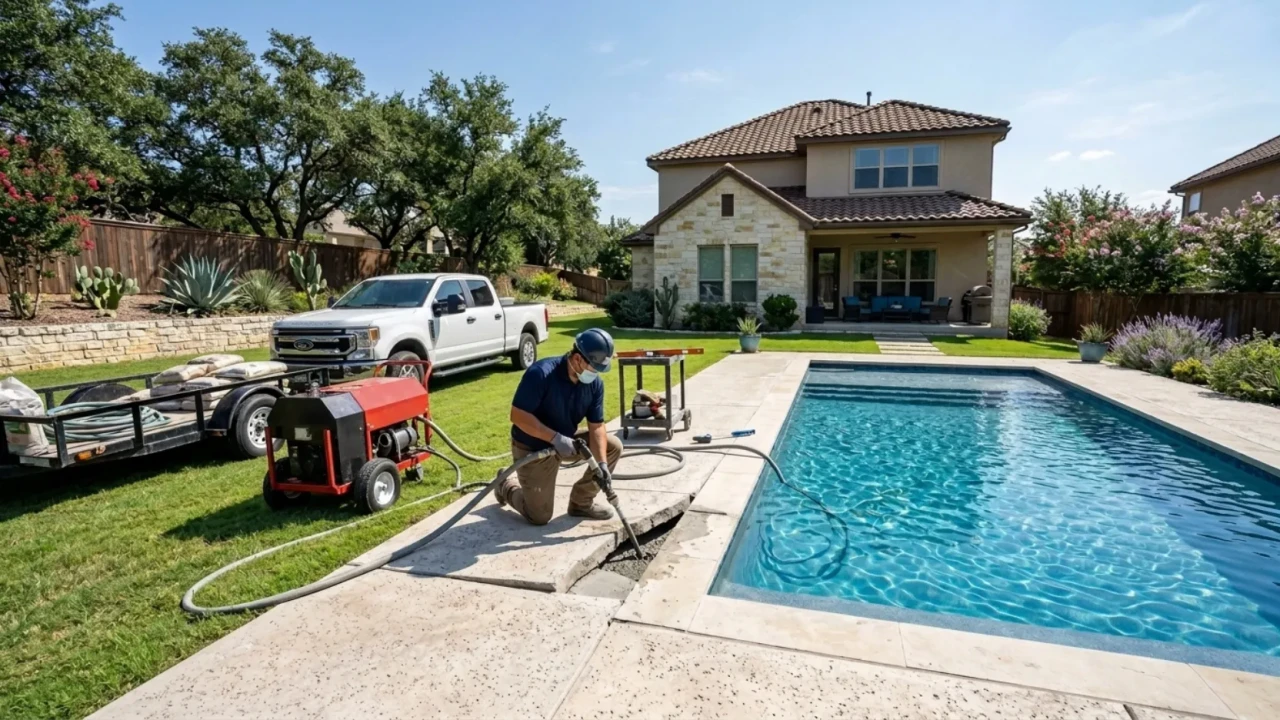
Mudjacking (also called slabjacking or pressure grouting) is the traditional fix: drilling small holes through the settled slab and pumping a slurry of cement, soil, and water underneath to lift the slab back to grade. Polyurethane foam injection is a newer alternative that is lighter, faster, and less disruptive. Both work well for settling from soil compaction. Neither works when the slab itself is broken or compromised structurally. A combined approach of foam injection plus surface overlay is common for decks that have settled and developed scaling.
- Measure the total drop in elevation at the worst point
- Check whether water is currently pooling against the pool coping or foundation
- Confirm the contractor will drill lift holes, not just fill surface cracks
- Ask whether foam or mudjacking is recommended and why
- Confirm the new grade will slope away from the pool at 1/8 inch per foot minimum
The expansion joint between the pool coping and the concrete deck is designed to allow independent movement. When it is filled with rigid concrete, sealed incorrectly, or simply aged out, it cracks and allows water to migrate into the soil beneath the deck. This accelerates the settling process and can eventually compromise the pool shell itself.
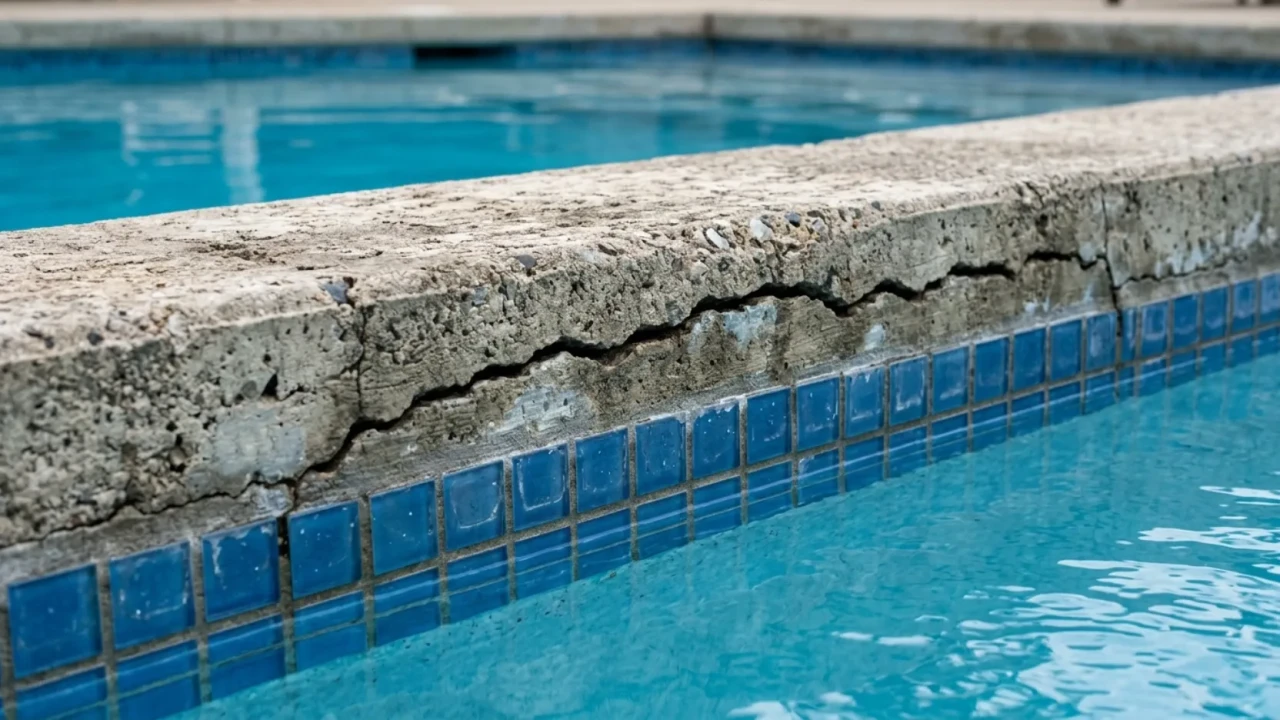
The correct repair is not to fill the coping joint with concrete. It should be cleaned out, any damaged coping replaced or re-bonded, and the joint filled with a backer rod and a flexible polyurethane or self-leveling sealant. This allows the natural movement between the pool shell and the deck without cracking. This joint should be inspected every two years and the sealant replaced every three to five years as a standard maintenance item. Ignoring it is the single fastest way to turn a $400 maintenance task into a $4,000 structural repair.
When inspecting your coping joint, press along its length with your thumb. Any section that flexes or moves independently from the adjacent concrete has lost its bond. Those sections need to be re-bedded in mortar before the expansion joint sealant is applied. Applying sealant over a loose coping stone just delays the problem by one season.
- Walk the full coping perimeter and look for any gaps, cracks, or missing sealant
- Press each coping stone to check for looseness or rocking
- Confirm the repair spec calls for a backer rod plus flexible sealant, not rigid concrete fill
- Ask whether the contractor uses a polyurethane or silicone sealant rated for pool environments
- Set a calendar reminder to inspect the coping joint every two years
Pool decks that were originally broom-finished or textured can become dangerously slick as the surface wears or is sealed without a non-slip additive. Old sealer that has become cloudy, tacky, or is peeling also creates an irregular surface that is both slippery and visually poor. This is a safety repair, not a cosmetic one.
The fix depends on the cause. If the original texture is still present but the sealer is the problem, the sealer can be stripped and reapplied with a non-slip aggregate mixed in. If the original texture has worn away from the concrete surface itself, a resurfacing overlay with a built-in or applied anti-slip texture is needed. Many homeowners address this at the same time as cosmetic resurfacing, choosing a kool-deck coating, brushed overlay, or exposed aggregate finish that provides both improved appearance and reliable traction.
- Walk the deck barefoot when wet to identify slick sections
- Check the existing sealer condition: peeling, cloudy, or tacky sealer needs full removal
- Confirm any new sealer includes a non-slip aggregate or finish additive
- Ask about Kool-Deck or similar cool-surface coatings if heat is a concern
- Request a test patch of any overlay product before full application
Pool deck repair costs in San Antonio depend on three things: what type of repair is needed, how much of the deck is affected, and what finish you choose if resurfacing is part of the scope. The pricing below reflects real contractor rates in Bexar County as of 2026. Get three itemized quotes before committing to any contractor.
| Repair Type | Typical Cost | Best For | Duration |
|---|---|---|---|
| Crack filling (minor) | $200–$600 | Hairline to 1/4" cracks, no displacement | 1 day |
| Crack filling (structural) | $800–$2,000+ | Wide cracks with displacement, base issues | 1–2 days |
| Mudjacking / slab lifting | $500–$1,500 per panel | Settled sections, no structural damage | 1 day |
| Polyurethane foam injection | $800–$2,000 per panel | Settled sections, faster cure, smaller holes | Half day |
| Surface patching (spalling) | $3–$6 per sq ft | Localized spalling under 20% of deck area | 1 day |
| Full resurfacing overlay | $5–$12 per sq ft | Widespread surface deterioration, cosmetic upgrade | 2–4 days |
| Kool-Deck application | $4–$9 per sq ft | Heat reduction, slip resistance, fresh appearance | 2–3 days |
| Stamped overlay | $8–$15 per sq ft | Full cosmetic transformation over sound slab | 3–5 days |
| Coping joint re-sealing | $300–$900 | Cracked or missing expansion joint sealant | 1 day |
| Full slab panel replacement | $10–$18 per sq ft | Severely damaged panels with base failure | 3–5 days |
The range on every repair type is wide for a reason. Pool decks adjacent to mature live oak trees in neighborhoods like Alamo Heights or Olmos Park face much more aggressive root pressure than pools in newer developments with smaller landscaping. Get an on-site assessment before taking any online estimate seriously. A contractor who gives you a firm price over the phone without seeing the deck is guessing.
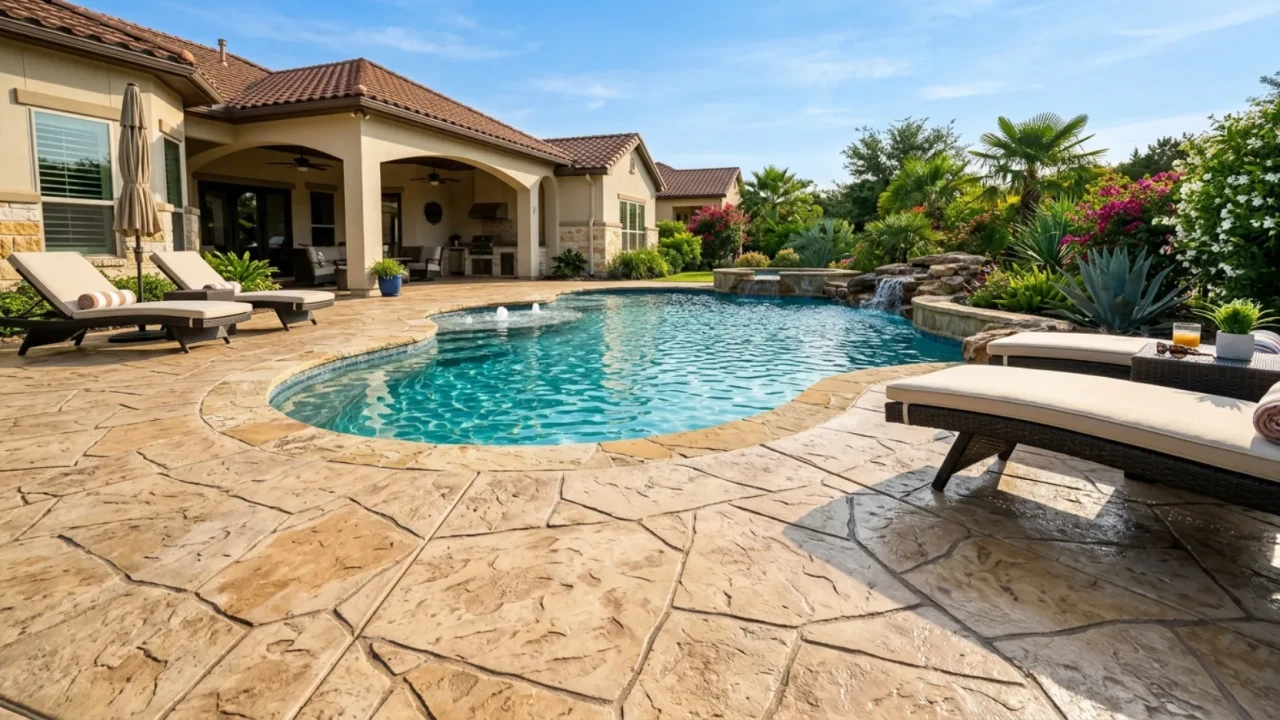
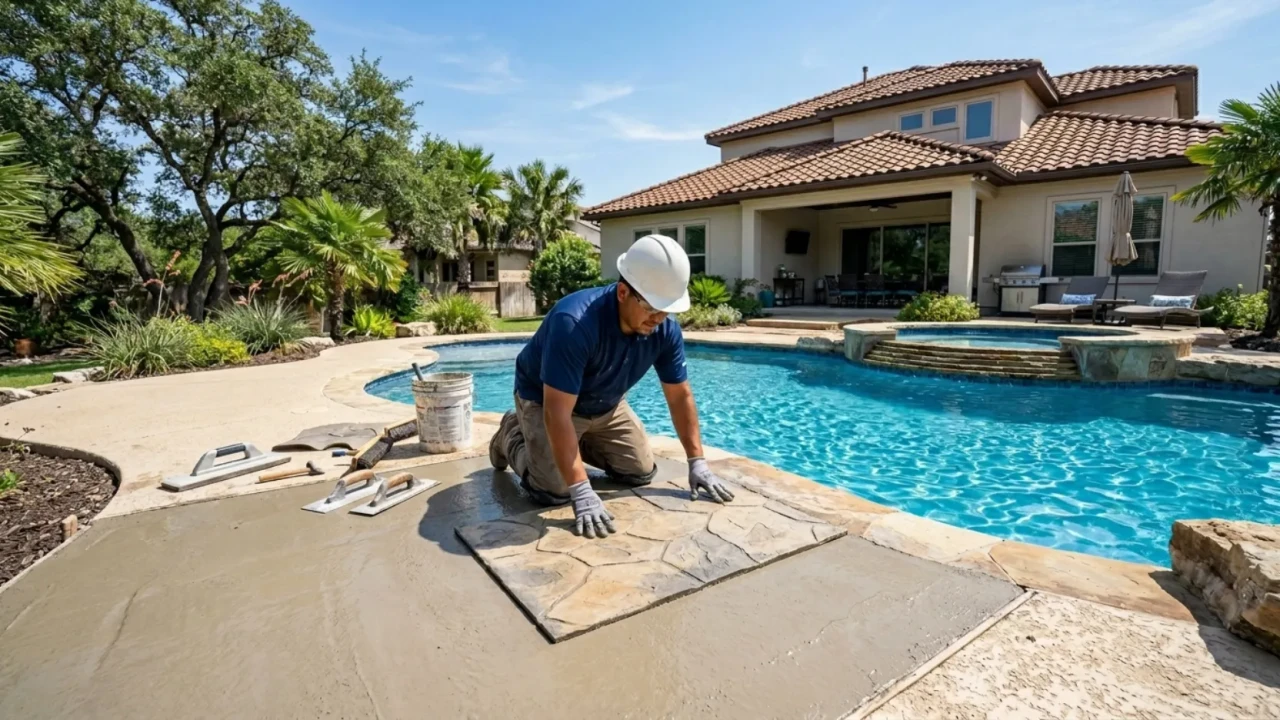
When more than 30 percent of a pool deck surface has deteriorated, or when a homeowner wants a visual upgrade while correcting structural issues, resurfacing becomes the right answer. A resurfacing overlay bonds to the existing structural slab and provides a fresh, properly textured, chemically resistant surface. Here is how the main options compare.
Kool-Deck is a brand name that has become a category descriptor, like Kleenex. The product is an acrylic-based, textured coating applied over an existing concrete slab in two to three thin layers. It provides a non-slip surface, dramatically reduces surface temperature through its light color and reflective properties, and is available in a range of earth tones and patterns. It is the most common pool deck finish in San Antonio for residential properties.
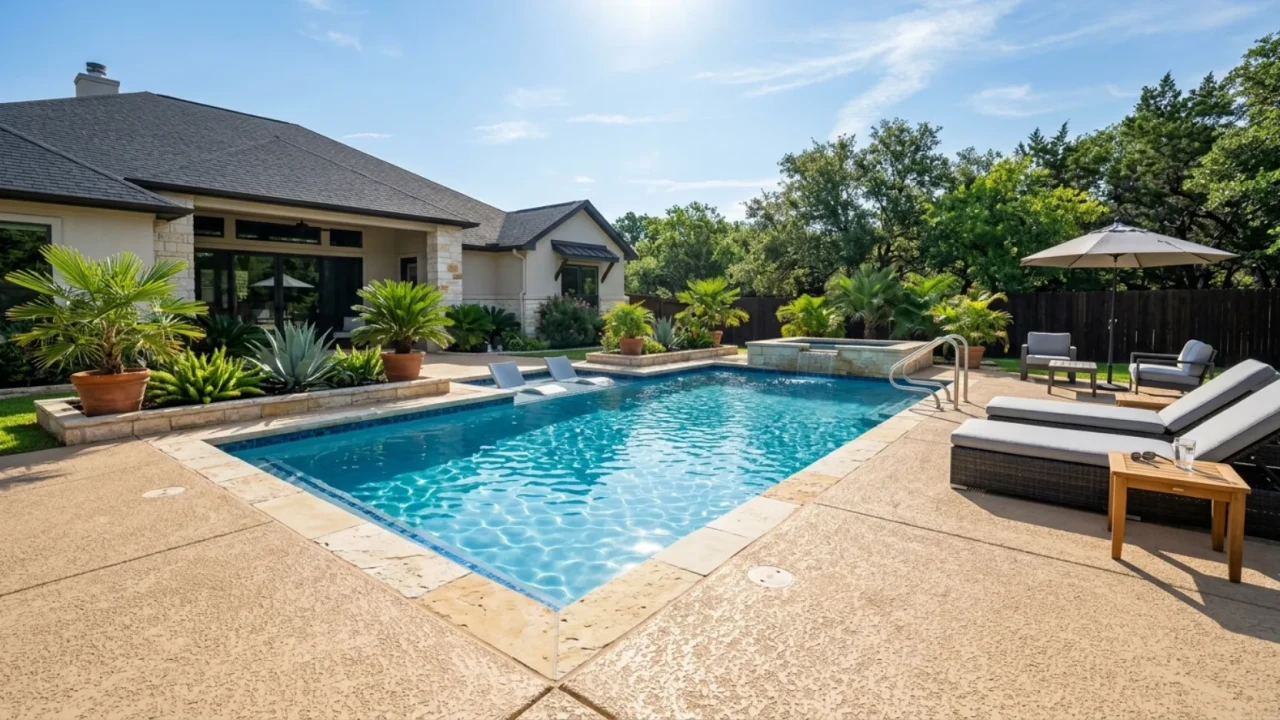
The typical Kool-Deck application runs $4 to $9 per square foot installed, depending on prep work required and the number of coats. A properly applied Kool-Deck surface lasts 10 to 15 years before needing full reapplication. The deck should be resealed every three to five years to maintain the surface integrity and color. The main weakness: Kool-Deck can chip and crack if the underlying slab moves significantly. It is a surface coating, not a structural repair. Any base issues must be addressed before application.
- Confirm all cracks and structural issues are repaired before coating
- Ask for the primer coat and two finish coats minimum for durability
- Confirm the color sample is approved in writing before work begins
- Verify the product is pool-rated and UV-stable
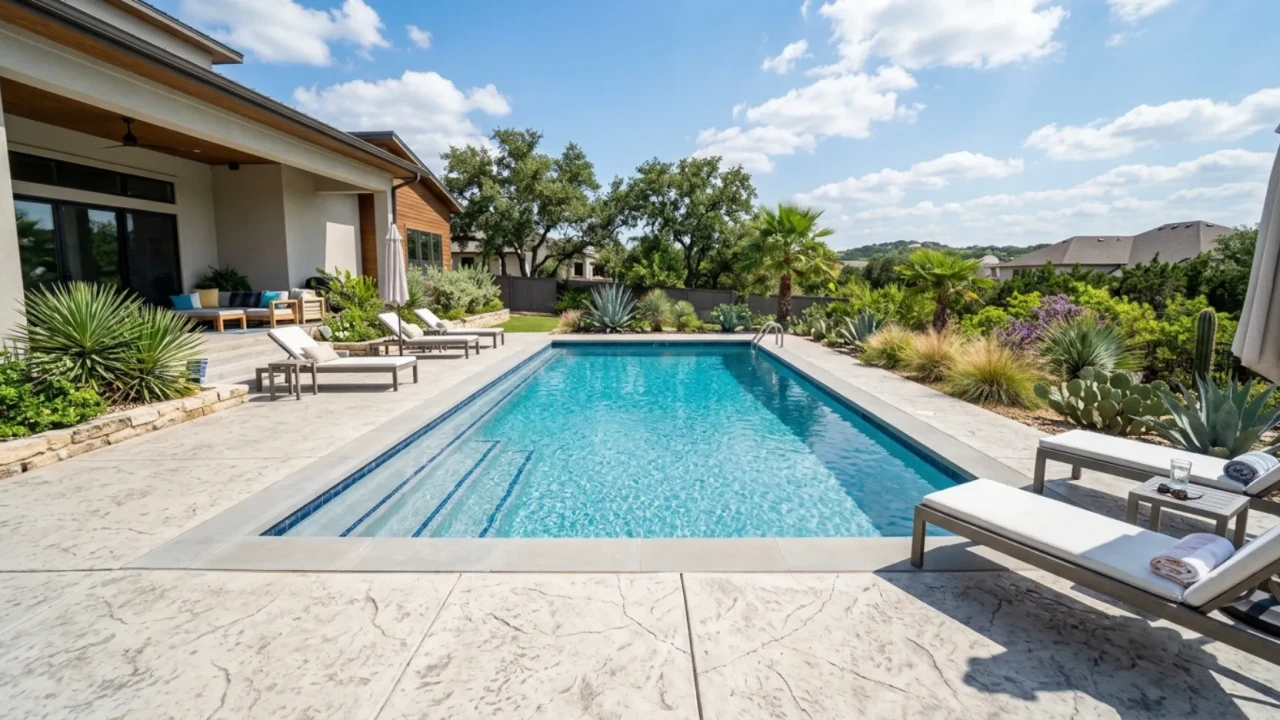
Polymer-modified concrete overlays can be applied at 3/8 to 1/2 inch thickness and stamped, textured, or smoothed to mimic stone, travertine, or slate. These products are mixed with acrylic additives that give them flexibility, chemical resistance, and strong bonding to existing concrete. A well-done stamped overlay over a sound slab can look indistinguishable from a premium stone deck at a fraction of the replacement cost.
The critical requirement is surface preparation. The existing slab must be mechanically ground to open the pores and provide bonding profile. Any contamination from algae, pool chemicals, or old sealer must be fully removed. If this step is skipped or done poorly, the overlay will delaminate within a few seasons. Ask any overlay contractor for references from jobs done at least three years ago and follow up to confirm the overlay is still bonded and looking good.
- Confirm surface preparation includes mechanical grinding, not just pressure washing
- Ask for the bonding primer specification and confirm it is compatible with the overlay product
- Request a 12x12 inch test patch to approve color and texture before full installation
- Confirm the sealer specified is UV-stable and pool-chemical resistant
- Ask for references from overlay jobs completed at least three years ago
Pool deck repair is one of the most contractor-dependent home improvement categories. The same surface can fail in two years under one contractor or hold up for fifteen under another. The difference is almost always in the prep work that you cannot see after the job is done. Here is how to tell which kind of contractor you are dealing with before you sign anything.
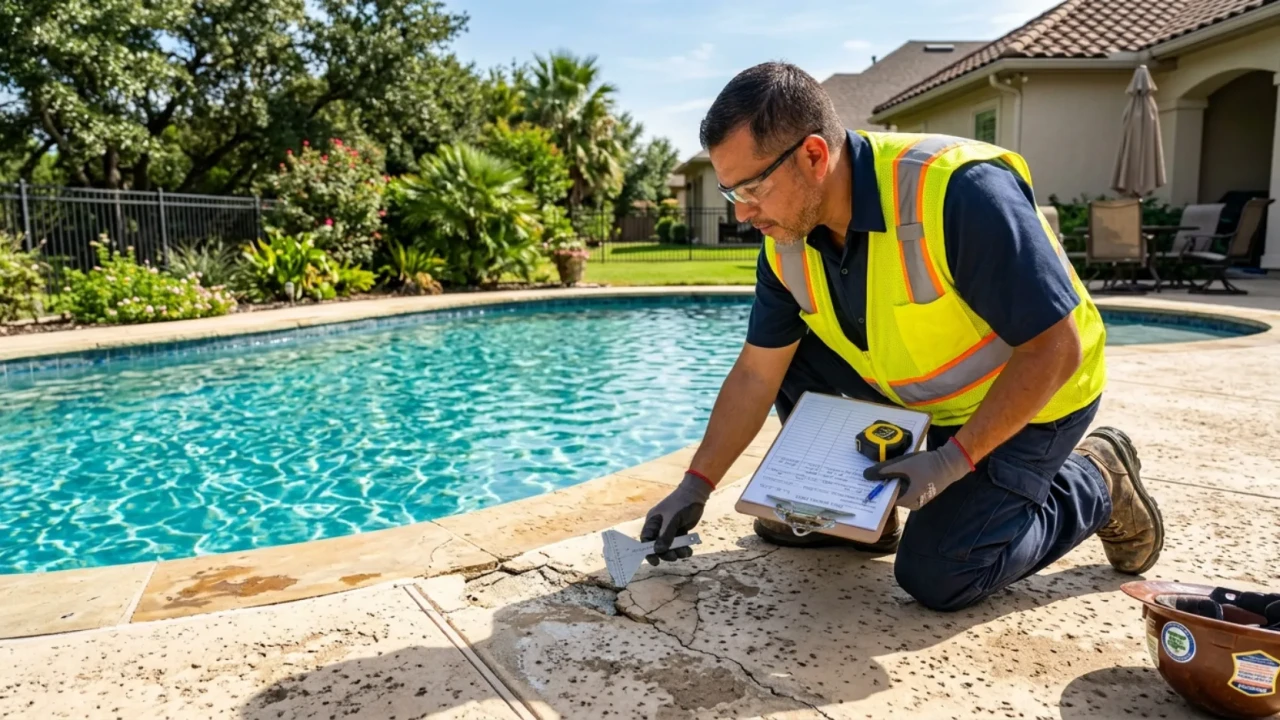
Any contractor who offers you a firm price without visiting your property is guessing. Pool deck repair pricing depends on the actual condition of the base, the presence of tree roots, the soil condition, and the scope of surface damage. None of that is visible from a photo or a description. A contractor willing to quote without seeing the job is optimizing for getting your deposit, not for delivering a quality repair.
The assessment visit should include the contractor physically walking the deck, tapping suspect areas, checking the slope and drainage, and inspecting the coping joint. A good contractor will point out things you have not asked about. A bad one will look at what you pointed to, give a number, and leave. The visit should be free. Any contractor charging for an assessment visit on a residential pool deck project is an outlier.
A professional pool deck repair quote should be itemized by scope, not a single number for the whole job. You should be able to see what you are paying for surface preparation separately from material costs, from labor, and from any base or structural repair. When a contractor gives you a single number, you have no way to know whether preparation or materials were cut to hit a price point.
- Surface preparation method is specified (grinding vs. pressure wash only)
- Material products are named by brand and product line
- Base repair scope is explicitly stated or explicitly excluded
- Sealer type and number of coats is listed
- Payment terms require no more than 40 percent upfront
- Warranty term and coverage is stated in writing
- Contractor carries general liability insurance (ask for the certificate)
- Walk the full deck and categorize each crack: hairline, structural, or surface spalling
- Check for vertical displacement at every crack by running your hand across it
- Test all areas for hollowness by tapping with a coin or hammer handle
- Inspect the full coping joint perimeter for gaps, missing sealant, or loose stones
- Test the deck surface when wet for slip resistance in all areas
- Check drainage: water should flow away from the pool and house, not pool on the deck
- Get three in-person quotes from contractors who visit and assess on site
- Confirm each contractor carries general liability insurance of at least $1 million
- Ask for references from pool deck jobs completed at least two years ago
- Ask each contractor: "What caused this damage and what prevents it from recurring?"
- Reject any contractor who quotes without an on-site visit
- Confirm the quote is itemized by prep, materials, labor, and sealer separately
- Confirm material products are named by brand, not described generically
- Confirm base repair scope is addressed in writing if structural damage is present
- Confirm payment terms are no more than 40 percent upfront
- Confirm warranty terms are written into the contract
- Avoid foot traffic for 48 hours after any overlay or coating application
- Keep water off the new surface for the curing period specified by the contractor
- Reseal the deck every 3 to 5 years depending on product and sun exposure
- Inspect the coping joint every two years and reseal as needed
- Do not use deicing salts on or near the pool deck in winter
Get a free pool deck repair quote in San Antonio
Tell us about your pool deck condition. We will visit your property, assess the damage, and give you an honest written quote with no pressure and no guesswork.