Homeowners in San Antonio and Houston deal with specific concrete challenges: clay soil, intense heat, freeze-thaw cycles, and heavy rainfall that most generic advice ignores. This guide is built from hands-on residential concrete work across both Texas markets, covering real costs, service options, and what to expect before you hire anyone.
Bottom line: A qualified residential concrete contractor handles driveways, patios, pool decks, foundations, and decorative flatwork and in Texas, the contractor you choose must understand local soil and climate conditions, not just concrete itself.
What Does A Residential Concrete Contractor Do?
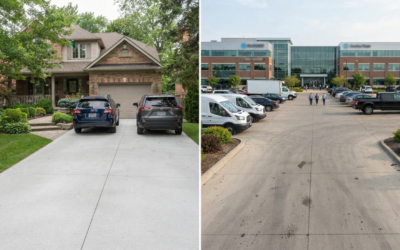
A residential concrete contractor plans, forms, pours, finishes, and cures concrete for home-based projects. This is distinct from commercial concrete work, which involves different load requirements, permitting processes, and scale.
Core residential services include:
- Driveway installation and replacement
- Patio slabs and outdoor living surfaces
- Pool deck construction and resurfacing
- Sidewalks, curbs, and walkways
- Concrete steps and retaining walls
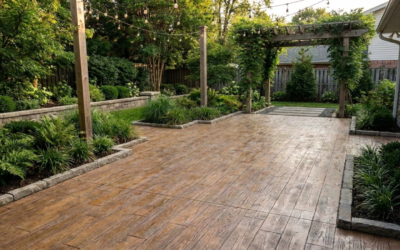
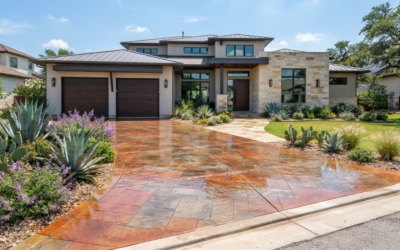
- Decorative and stamped concrete
- Crack repair and concrete restoration
Key takeaway: A residential specialist understands HOA requirements, residential permits, and the aesthetic expectations homeowners have not just structural specs.
How Much Does Residential Concrete Work Cost In San Antonio and Houston?
Concrete pricing in Texas varies based on project type, thickness, finish, and site conditions. Below are realistic cost ranges for both markets.
| Project Type | Estimated Cost (San Antonio) | Estimated Cost (Houston) |
| Standard driveway (per sq ft) | $6 – $12 | $7 – $13 |
| Patio slab (per sq ft) | $5 – $10 | $6 – $11 |
| Stamped concrete (per sq ft) | $12 – $20 | $13 – $22 |
| Pool deck resurfacing (per sq ft) | $4 – $8 | $5 – $9 |
| Concrete repair (per linear ft) | $3 – $7 | $4 – $8 |
Costs increase with thicker slabs, decorative finishes, excavation needs, or difficult site access. Always get a written, itemized quote.
Key takeaway: Stamped and decorative concrete costs roughly twice the price of standard flatwork but significantly increases curb appeal and property value.
Signs Your Home Needs Concrete Repair Or Replacement
Catching problems early saves money. Here are the most common warning signs Texas homeowners should watch for:
- Cracks wider than 1/4 inch — especially diagonal or uneven cracks indicating soil movement
- Sinking or heaving slabs — caused by clay soil expansion common in San Antonio and Houston
- Surface scaling or spalling — concrete surface flaking off, often from heat stress or improper curing
- Standing water or poor drainage — a sign of improper slope or slab settling
- Trip hazards at slab joints — uneven edges between driveway sections or patio panels
Key takeaway: Hairline cracks are cosmetic. Structural cracks, sinking, or heaving require professional evaluation before the problem worsens.
Concrete Driveway Installation: What Homeowners Should Expect
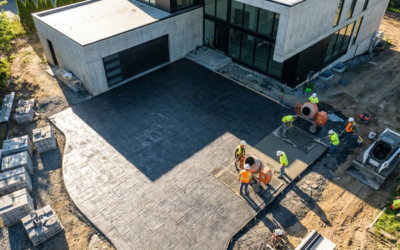
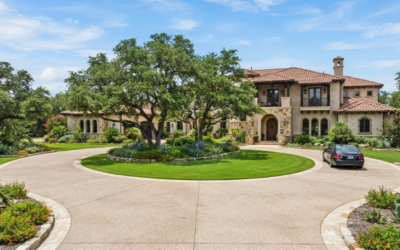
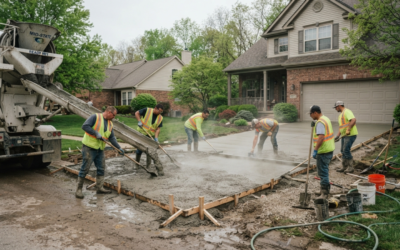
A properly installed concrete driveway in Texas lasts 30 or more years with basic maintenance. Here is what the process looks like from start to finish.
Step-by-step process:
- Site evaluation — soil testing, grading assessment, drainage review
- Excavation — removing existing material and establishing a stable base
- Sub-base preparation — compacted gravel layer for drainage and load support
- Form setting — wood or steel forms establish shape and thickness
- Pour and screed — concrete placed and leveled to correct grade
- Finishing — broom finish, exposed aggregate, or decorative texture applied
- Control joints cut — prevents random cracking by directing stress
- Curing — 7 to 28 days for full strength development
Standard residential driveways are poured at 4 inches thick. High-traffic or heavy vehicle areas should be 5 to 6 inches.
Concrete Patio Installation: What Homeowners Should Expect
A concrete patio adds usable outdoor living space and increases home value. For San Antonio and Houston homeowners, the right finish and drainage plan matter more than almost anything else.
What to decide before installation:
- Finish type: Broom, exposed aggregate, stamped, or smooth
- Size and shape: Standard slabs vs. custom curved or tiered designs
- Drainage direction: Slope away from the home at minimum 1/8 inch per foot
- Shade and UV exposure: Lighter finishes stay cooler underfoot in Texas heat
Most residential patios take 2 to 4 days from pour to walkable surface.
Concrete Pool Decks: Safety, Comfort, And Slip-Resistance Options
Pool decks in Texas are exposed to water, UV rays, bare feet, and pool chemicals all of which degrade standard concrete faster than typical flatwork.
Best pool deck options for Texas homeowners:
- Brushed or broom finish: Affordable, slip-resistant, low maintenance
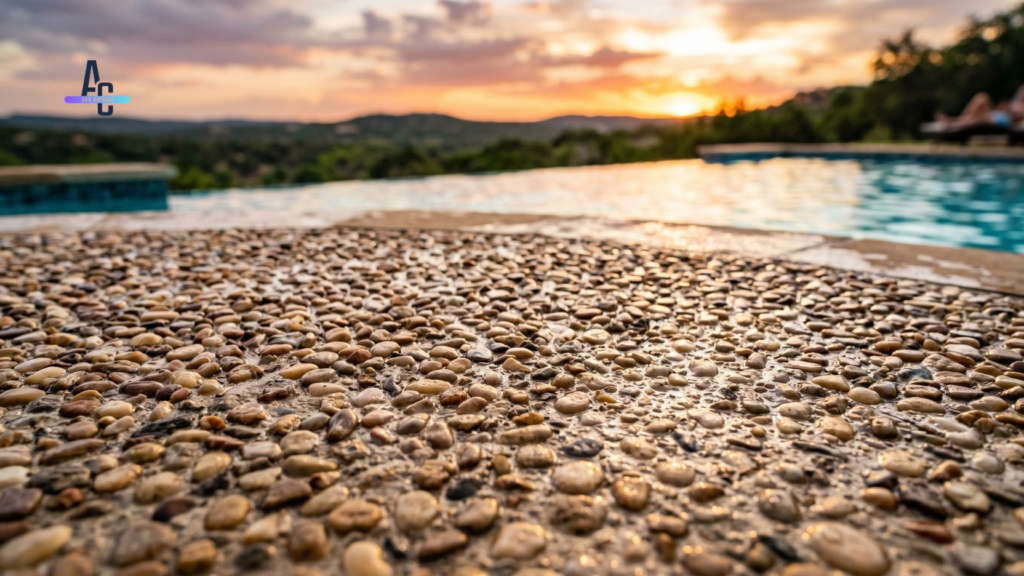
- Exposed aggregate: Texture provides grip; slightly rough underfoot
- Stamped concrete: Decorative appeal; requires sealer for slip resistance
- Cool deck coating: Reflects heat, reduces surface temperature by up to 30 degrees
Key takeaway: Any pool deck finish in a Texas climate must include a UV-resistant sealer applied every 2 to 3 years to maintain safety and appearance.
Stamped Concrete For Homes: Is It Worth It?
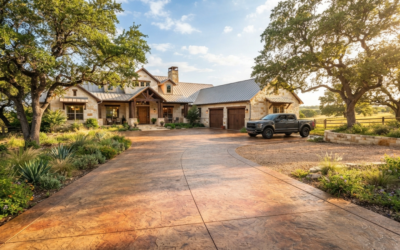
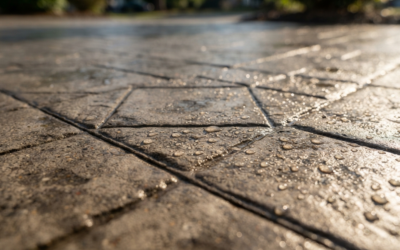
Yes for most Texas homeowners who want aesthetics without ongoing maintenance. Stamped concrete mimics the look of stone, brick, or wood at a fraction of the material cost, with less long-term upkeep than pavers or natural stone.
Pros:
- Lower installation cost than natural stone
- Custom patterns and color options
- Durable with proper sealing
- Increases curb appeal and property value
Cons:
- Slippery when wet unless anti-slip additive is used
- Requires resealing every 2 to 3 years
- Harder to repair seamlessly than plain concrete
For decorative patios, driveways, or pool surrounds, stamped concrete delivers strong return on investment.
Concrete Patio VS. Pavers: Which Is Better For Texas Homes?
This is one of the most common questions homeowners ask. The honest answer depends on your priorities.
| Factor | Concrete Patio | Pavers |
| Upfront cost | Lower | Higher |
| Long-term maintenance | Seal every 2-3 years | Weed, re-level, replace units |
| Repairability | Visible patches | Individual unit replacement |
| Heat retention | Moderate | Moderate to high |
| Curb appeal | High (with stamping) | High |
| Lifespan | 25 to 40 years | 20 to 30 years |
Key takeaway: Concrete is the more cost-effective, durable choice for most Texas homeowners. Pavers offer easier localized repairs but cost more upfront and require more ongoing maintenance.
How Weather In San Antonio And Houston Affects Concrete
Texas weather is hard on concrete. Understanding local conditions helps homeowners make smarter material and maintenance decisions.
San Antonio:
- Expansive clay soil causes significant heaving and settling
- Drought-heat cycles stress slab integrity
- Occasional freeze events crack improperly cured concrete
Houston:
- High humidity slows curing and affects sealer adhesion
- Heavy rainfall demands precise drainage planning
- Soft, saturated soil requires stronger sub-base preparation
Best practice for both cities: Use fiber-reinforced concrete with control joints spaced no more than 10 feet apart. Apply a penetrating sealer within the first 30 days after cure.
How To Choose The Right Residential Concrete Contractor
Choosing the wrong contractor is the most expensive mistake a homeowner can make. Here is what to verify before signing anything.
Checklist:
- Licensed and insured in Texas (General Liability + Workers Comp)
- Local references from San Antonio or Houston projects
- Written contract with scope, timeline, and payment terms
- Clear process for sub-base prep and drainage
- Warranty on labor and materials (minimum 1 year)
- No large upfront deposits (50% or less at start is standard)
Affordable Concrete San Antonio serves both the San Antonio and Houston markets with documented residential project experience and transparent written quotes.
How To Maintain Residential Concrete So It Lasts Longer
Proper maintenance extends concrete life by 10 to 15 years and prevents costly replacement.
Maintenance schedule:
- Every 6 months: Clean surface with mild detergent; inspect for new cracks
- Every 2 to 3 years: Apply penetrating or film-forming sealer
- As needed: Fill hairline cracks with polyurethane caulk before they widen
- Immediately: Address drainage issues that allow standing water on or near slabs
Avoid using harsh deicers or ammonia-based cleaners on concrete surfaces.
FAQs
How Long Does A Concrete Driveway Last In San Antonio Or Houston?
A properly installed and maintained concrete driveway lasts 30 to 40 years in Texas. The key factors are adequate sub-base preparation, correct slab thickness, and sealing every 2 to 3 years.
Can Concrete Be Poured In Texas Summer Heat?
Yes, but it requires careful timing. Professional contractors pour in the early morning, use cold water in the mix, and apply curing compounds immediately to prevent rapid moisture loss. Pours in extreme heat (above 95 degrees) without these precautions will crack prematurely.
What Is The Difference Between Concrete Repair And Concrete Replacement?
Repair is appropriate for surface cracks, spalling, or minor settling. Replacement is necessary when slabs are structurally compromised, heaved more than 2 inches, or broken into multiple pieces. A qualified contractor can assess which option applies to your situation.