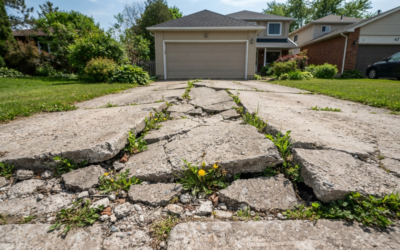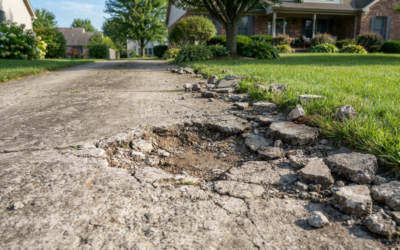
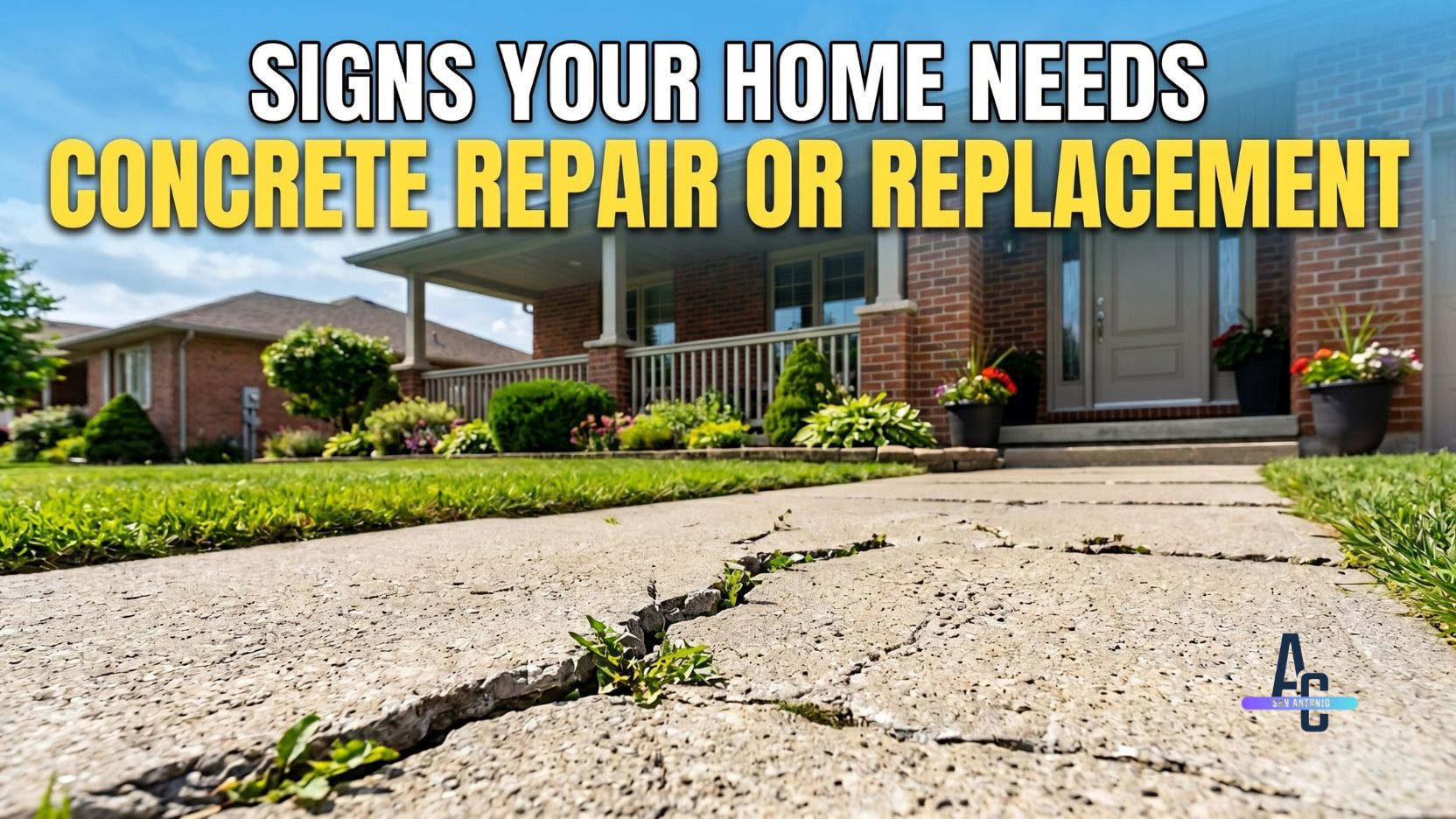
If you see cracks wider than a quarter-inch, uneven surfaces, or crumbling edges around your driveway, walkway, or patio, your home’s concrete needs attention and waiting usually makes it worse.
At Affordable Concrete San Antonio, our crews work across San Antonio and Houston identifying concrete damage every day. After years of hands-on work with residential driveways, pool decks, sidewalks, and patios, we know exactly which warning signs homeowners miss and which ones signal a serious structural problem.
This guide covers the real indicators that your concrete needs professional repair or full replacement, so you can make an informed decision before minor damage becomes a major expense.
What Are The Most Common Signs Of Concrete Damage?
The most common signs are visible cracking, surface spalling, sinking or uneven slabs, and water pooling near the foundation. Each symptom points to a different underlying problem, and knowing which you are dealing with determines whether you need a patch or a full replacement.
Here is what to look for:
- Hairline cracks — Often surface-level and cosmetic, but worth monitoring
- Wide or growing cracks — Anything wider than 1/4 inch typically indicates shifting soil or structural stress
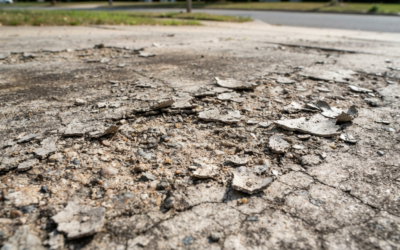
- Spalling — Flaking or pitting on the surface caused by freeze-thaw cycles, moisture, or poor finishing
- Sinking slabs — One section sitting lower than another creates a trip hazard and signals erosion below
- Crumbling edges — Especially along driveways, this indicates the concrete mix has deteriorated
- Discoloration or staining — Can indicate water infiltration or chemical damage beneath the surface
Are Cracks In Concrete Always A Serious Problem?
Not always but the size, direction, and growth rate of a crack determine how serious it is.
| Crack Type | Width | Likely Cause | Recommended Action |
| Hairline crack | Under 1/8 inch | Normal curing shrinkage | Monitor, seal if needed |
| Moderate crack | 1/8 to 1/4 inch | Minor settling or moisture | Seal and fill |
| Wide crack | Over 1/4 inch | Soil movement or heavy load | Professional assessment |
| Diagonal crack | Varies | Foundation or structural shift | Immediate inspection |
Key takeaway: A single small crack in a patio may not be urgent. A diagonal crack crossing your driveway or a crack that has grown visibly over one season usually requires professional evaluation.
When Does Concrete Need Replacement Instead Of Repair?
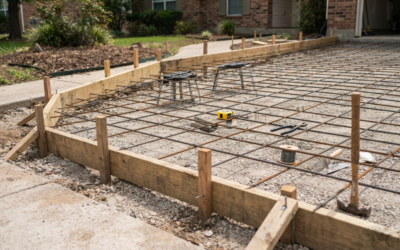
Concrete needs full replacement when more than 25 to 30 percent of the surface is damaged, the base layer has failed, or repairs have already been done multiple times without lasting results.
Signs that point toward replacement rather than repair:
- Multiple large cracks running in different directions
- Sections that are sinking or heaving significantly
- Concrete that crumbles when pressure is applied
- Drainage problems causing standing water after every rain
- Surface that has been patched repeatedly and continues to fail
- Pool deck concrete that has deteriorated to the point of being a safety hazard
Repair is a short-term fix when the structural base is still sound. When the ground beneath has eroded or the concrete mix itself has broken down, replacement gives you a clean, durable surface that adds real value to your property.
How Does Damaged Concrete Affect Your Property Value?
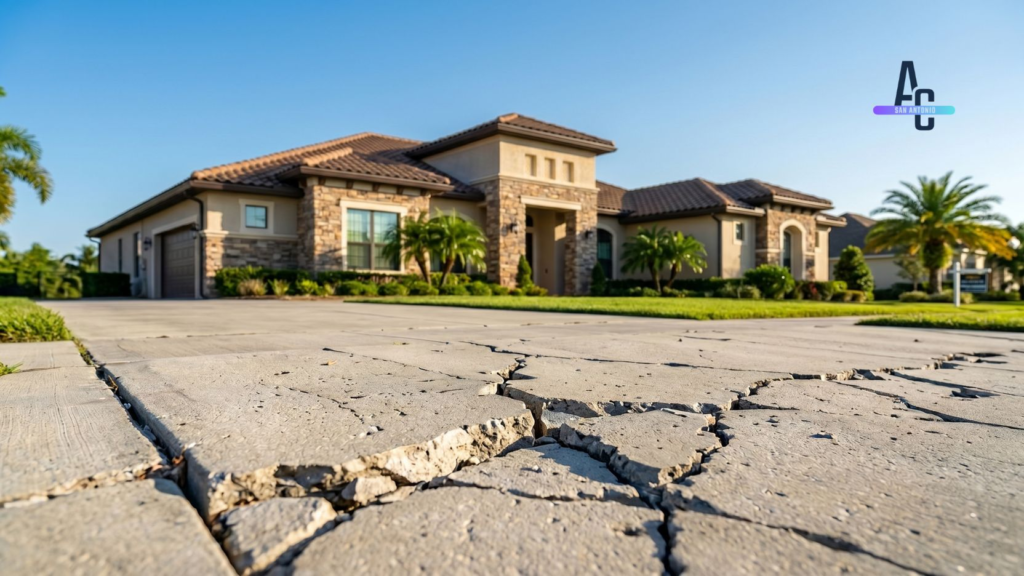
Cracked or sunken concrete visibly reduces curb appeal and can reduce a home’s perceived value by thousands of dollars during a sale.
Buyers and appraisers notice:
- A deteriorating driveway or front walkway immediately
- Pool decks with raised edges or spalling surfaces
- Patios that slope toward the home, suggesting drainage issues
Homeowners in San Antonio and Houston who invest in fresh concrete work whether a new driveway, resurfaced patio, or repaired pool deck consistently report faster sale times and stronger offers. Concrete work is one of the highest-ROI exterior improvements available.
Is Uneven Or Sunken Concrete Dangerous?
Yes. Uneven concrete slabs are one of the leading causes of trip-and-fall injuries on residential properties.
A height difference of even half an inch between two slabs is enough to catch a foot. This is particularly serious near pool decks, front walkways, and garage entries where foot traffic is frequent.
Beyond safety, sunken slabs often indicate that water is eroding the soil beneath your concrete. If ignored, this erosion can spread and eventually affect nearby structures, including your home’s foundation.
FAQs
How Do I Know If My Concrete Needs Repair Or Full Replacement?
If the damage covers less than 25 percent of the surface and the base is stable, repair is usually sufficient. Widespread cracking, sinking, or repeated repair failures typically mean replacement is the better long-term investment.
Can I Repair Cracked Concrete Myself?
Small hairline cracks can be sealed with store-bought products. However, wide cracks, uneven slabs, or spalling surfaces require professional tools and expertise to fix properly. DIY patching on structural cracks often fails within one season.
How Long Does Concrete Last Before It Needs Replacing?
Well-installed concrete in residential settings typically lasts 25 to 50 years. Concrete exposed to heavy vehicle traffic, poor drainage, or extreme temperature swings may show significant wear in 15 to 20 years.
If you are seeing any of these warning signs on your driveway, patio, walkway, or pool deck, contact us for an honest assessment. Serving homeowners in San Antonio (1247 W Thompson Pl, San Antonio, TX 78226) and Houston (6203 Lawford Ln, Houston, TX 77040), we provide straightforward repair and replacement solutions without overselling services you do not need.