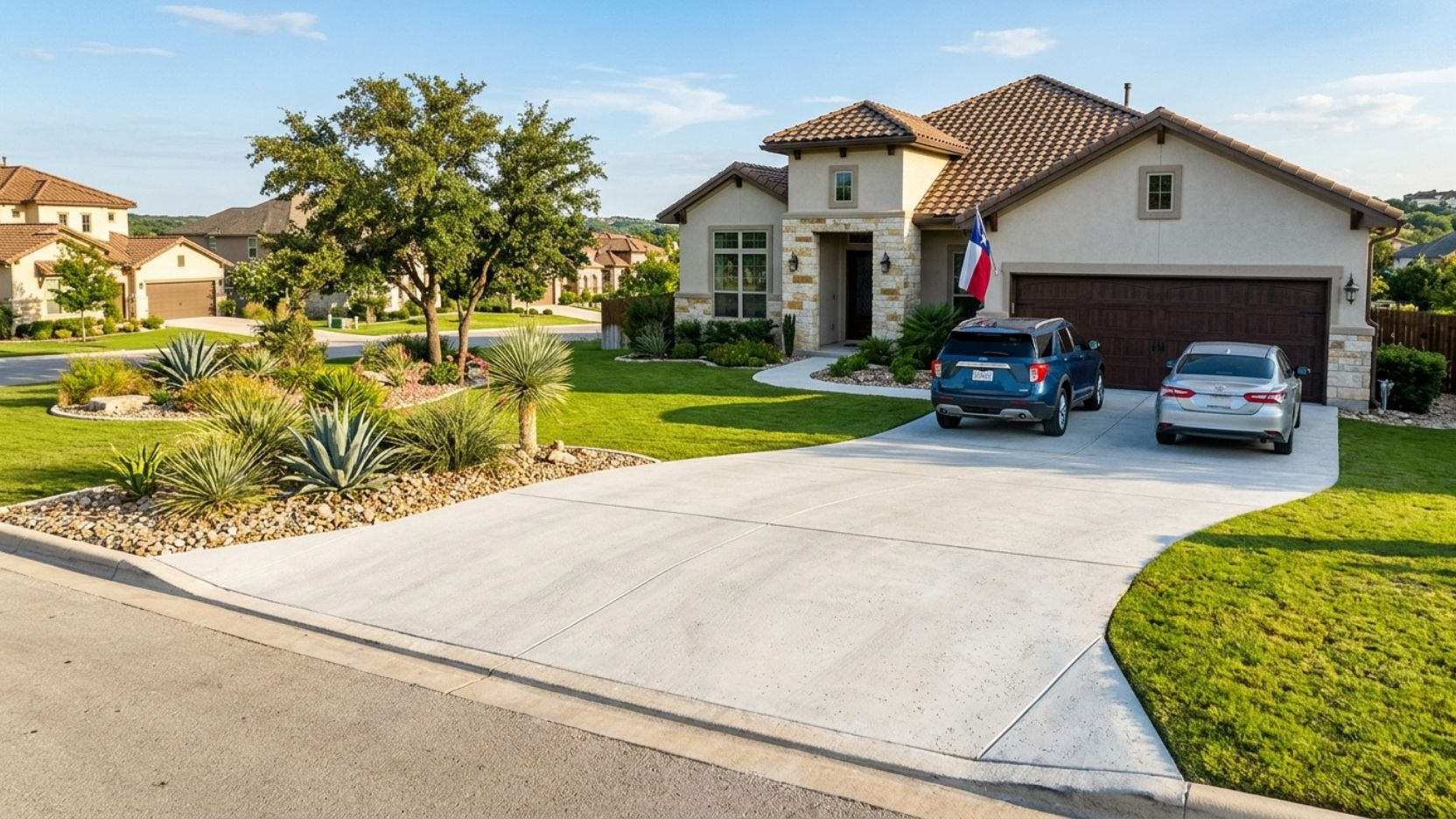
A concrete driveway is one of the highest-return upgrades a San Antonio homeowner can make. It outlasts asphalt, shrugs off Texas heat, and adds real curb appeal. Here are the five benefits that matter most, with the local numbers behind each one.
For most San Antonio homes, the driveway is the single largest paved surface on the property. It carries the daily weight of every vehicle, bakes under direct Texas sun for months, and sits on top of expansive clay soil that swells and shrinks with every rain and dry spell. The material you choose has to handle all three of those pressures for decades.
Concrete handles them better than any other affordable option. Compared with asphalt and gravel, a properly installed concrete driveway lasts longer, costs less to maintain over time, stays cooler in the heat, and gives you far more control over how the finished surface looks. Below are the five benefits that make concrete the standard choice for San Antonio driveways, along with the local cost and spec details behind each one.
Asphalt is cheaper on day one, but it asks for resealing every few years and a full replacement in roughly half the time. A concrete driveway costs more upfront and then largely takes care of itself. Spread across 30 years, concrete almost always comes out ahead on total cost, and it adds value to the home the entire time it sits there. Every benefit on this list flows from that single difference.
The headline benefit of a concrete driveway is simple: it lasts. A correctly installed concrete driveway in San Antonio routinely serves 30 years or more, while a comparable asphalt driveway typically needs full replacement in 12 to 20 years. Concrete is a rigid surface that distributes vehicle weight across the whole slab, so it resists the rutting, sinking, and edge crumbling that asphalt develops over time.
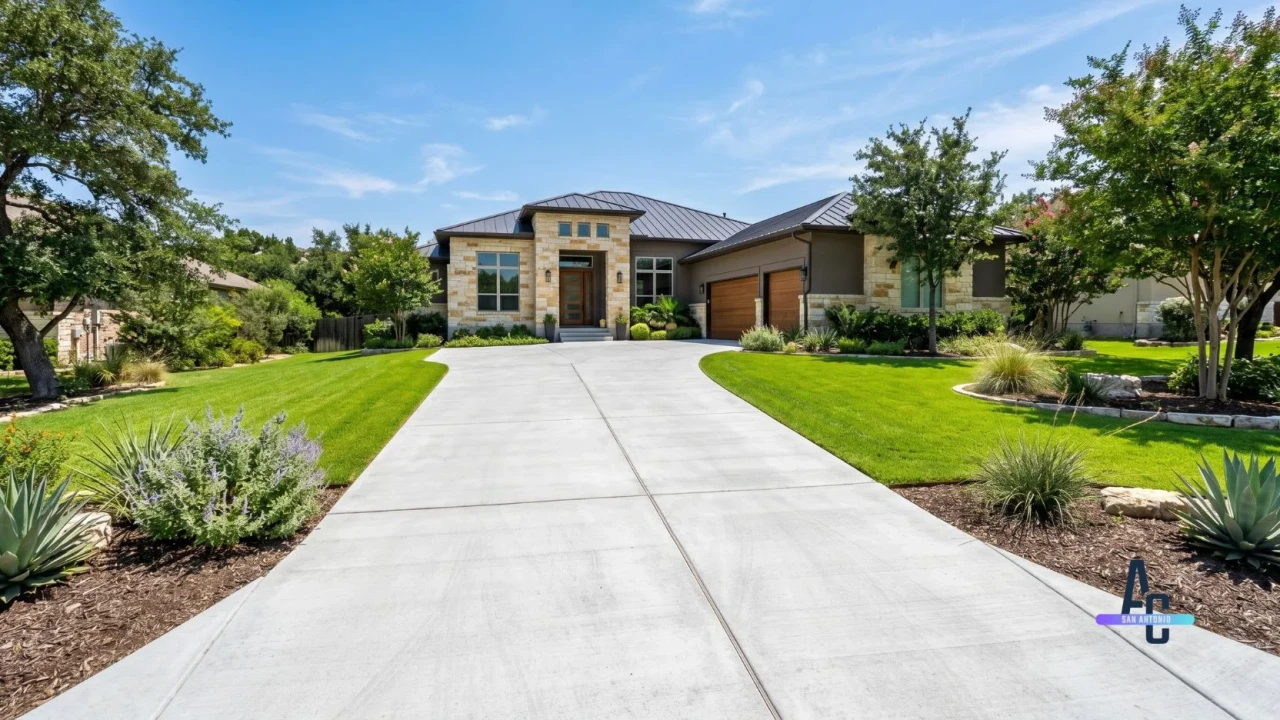
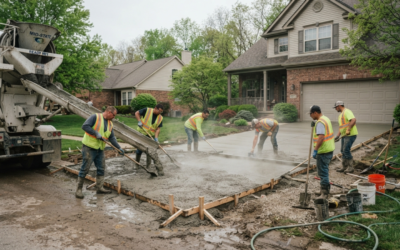
That longevity is not automatic. It depends almost entirely on what happens below the surface. In Bexar County, the soil is mostly expansive clay that moves with moisture, which is the number one cause of driveway cracking. A driveway built on a properly compacted limestone base, poured at the right thickness, and reinforced with rebar will ride out that soil movement for decades.
- Slab thickness specified in the quote: 4" minimum for cars, 5–6" for heavy vehicles
- Compacted crushed limestone base of at least 4" included in the scope
- Rebar grid (not just wire mesh) for driveways on clay soil
- Expansion and control joints planned every 8 to 10 feet
- Sealing scheduled after the 28-day cure to lock out moisture
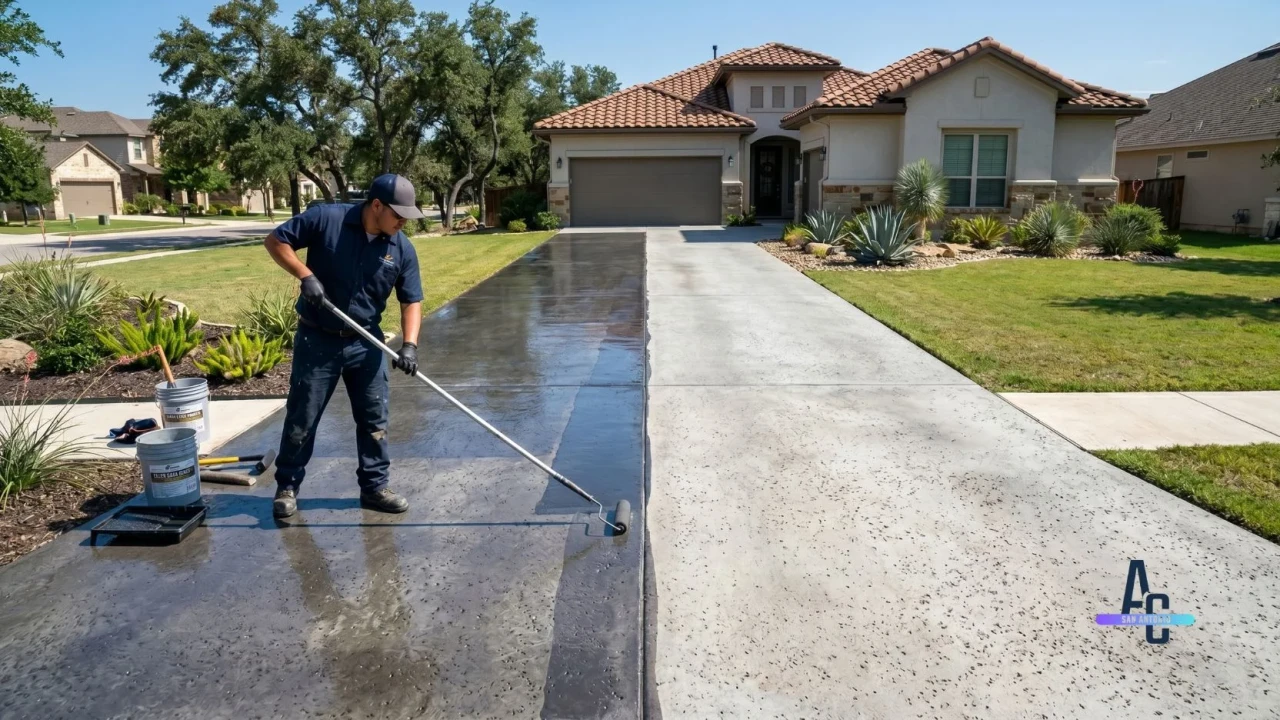
A concrete driveway is low maintenance, not zero maintenance, and that distinction is where it beats asphalt decisively. Asphalt needs resealing every two to three years and tends to soften and rut in extreme heat. Concrete asks for a wash and a fresh seal only every few years, with no annual upkeep in between.
That gap compounds over time. The asphalt driveway that looked cheaper at installation quietly drains money through repeated resealing and an earlier full replacement. Concrete front-loads the cost and then mostly leaves you alone.
For a typical San Antonio driveway, a standard broom finish runs about $8 to $12 per square foot installed, while asphalt often starts lower at roughly $4 to $7. Factor in the resealing schedule and the shorter replacement cycle, and the lifetime cost picture flips in concrete's favor.
Compare total cost of ownership, not just the install quote. Over a 30-year window, an asphalt driveway is usually replaced once and resealed roughly ten times. A concrete driveway is poured once and resealed a handful of times. When you add up the resealing, patching, and replacement, the cheaper-looking asphalt option frequently ends up costing more in the long run.
San Antonio summers regularly push surface temperatures to extremes, and this is where the two materials behave very differently. Dark asphalt absorbs heat, softens, and can develop ruts and sticky spots during the hottest stretches of the year. Concrete is light in color, reflects a large share of that sunlight, and holds its shape no matter how high the thermometer climbs.
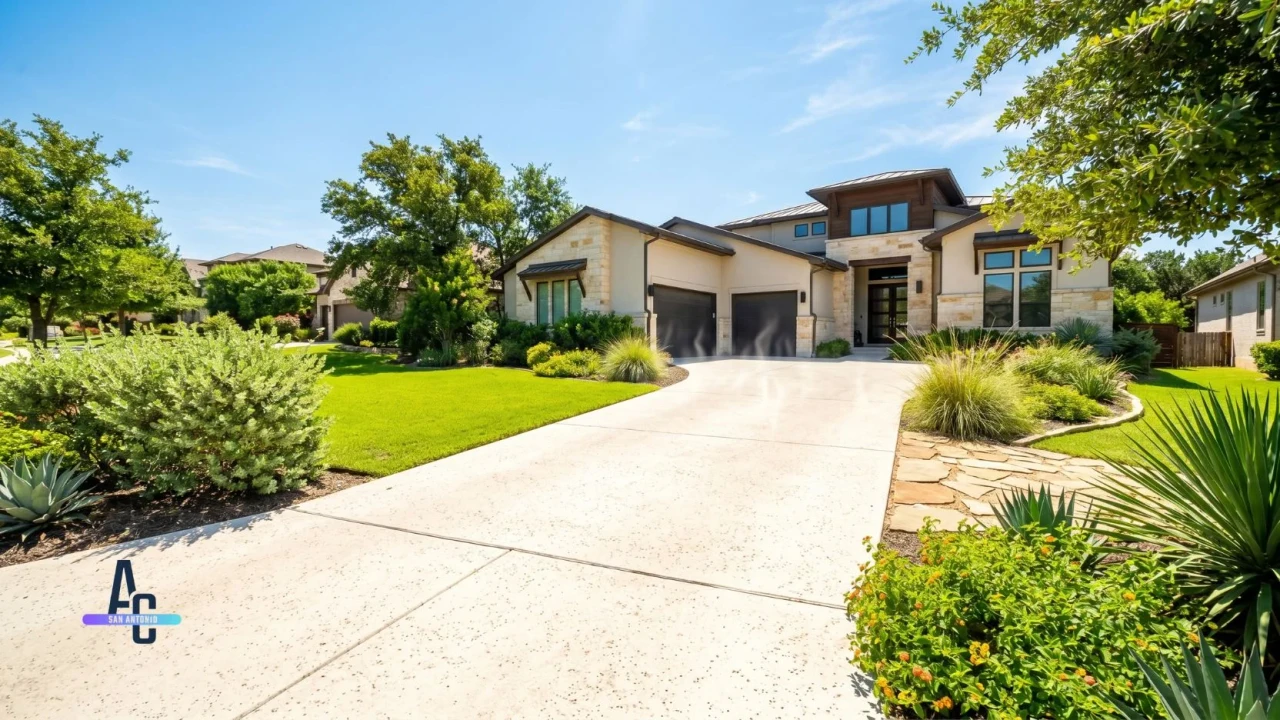
A cooler surface is not just a comfort detail. It is safer for bare feet and pets, easier on the eyes from glare with the right finish, and it puts far less thermal stress on the driveway itself. Asphalt that repeatedly heats and softens breaks down faster, while concrete simply expands and contracts within the joints that a good contractor designs into the slab.
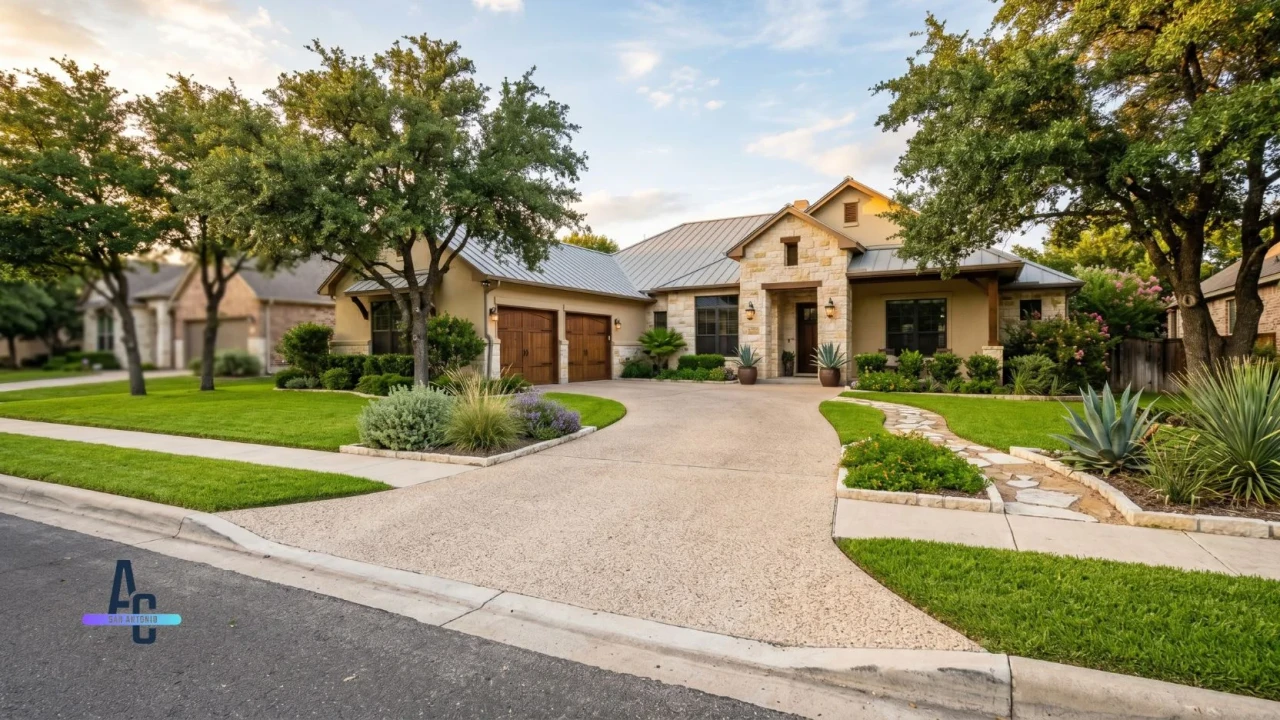
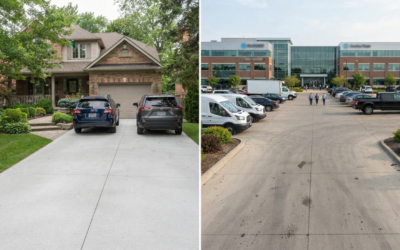
The driveway frames the front of the house. A cracked, oil-stained, or patched asphalt strip drags down the look of an otherwise well-kept home, while a smooth, clean concrete driveway reads as maintained and move-in ready. For buyers and appraisers alike, that first impression carries weight.
Because concrete is durable and long lasting, it is also viewed as a permanent improvement rather than a surface that the next owner will have to redo. That perception is part of why a new concrete driveway tends to support a home's resale value rather than become a future expense buyers negotiate against.
If curb appeal is the goal, you do not have to stop at a plain gray slab. Decorative finishes, borders, and stamped patterns let the driveway tie into the rest of the home's exterior, which leads directly into the final benefit.
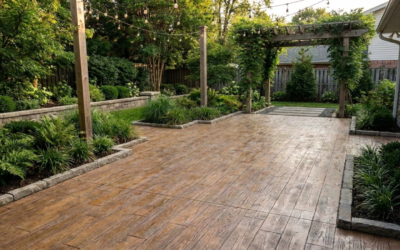
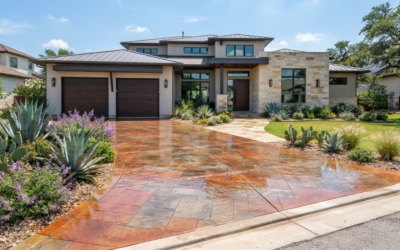
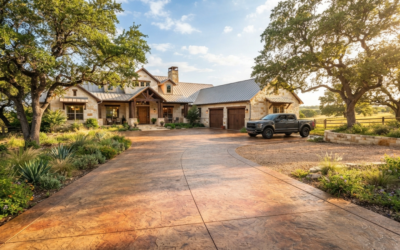
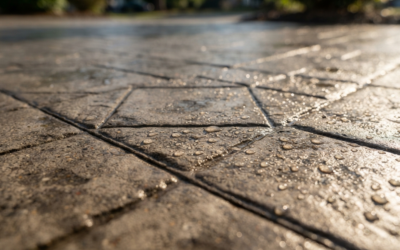
A concrete driveway does not have to look like a parking lot. Where asphalt is essentially one color and one texture, concrete offers a genuine range of finishes. You can keep the cost-effective broom finish, add color and contrast with staining, or step up to a stamped pattern that mimics brick, slate, or natural stone.
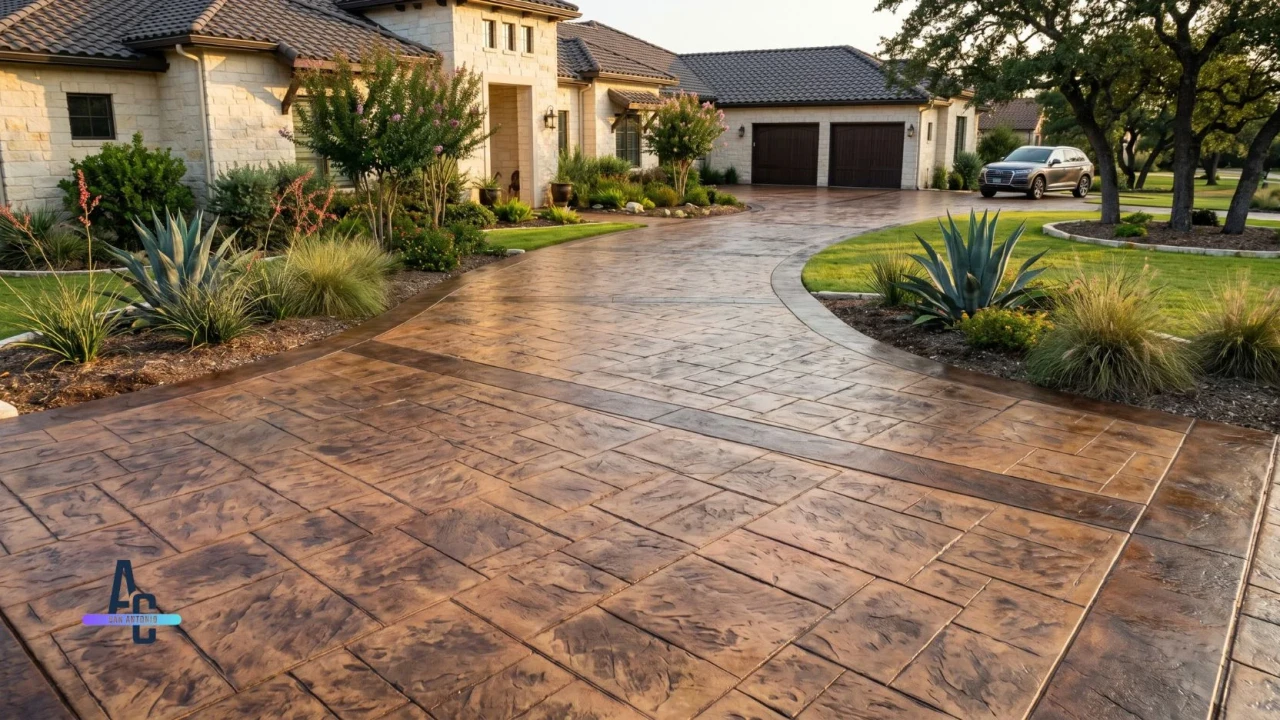
For driveways, the practical favorites are a broom finish for everyday traction and value, a stained surface for added color at a moderate upcharge, or a stamped border framing a broom-finish center to get a decorative look without stamping the entire load-bearing area. Whatever finish you choose, make sure the surface keeps enough traction for safe driving and walking when wet.
Lock in color and pattern in writing before pour day. Decorative work like stamping and staining cannot be changed once the concrete sets. Approve a sample or reference photo, and have the exact pattern, color, and border layout written into the contract so there are no surprises after the slab cures.
The benefits above are clearest when you line concrete up against the two other common driveway materials. Here is how they compare on the factors that matter most for a San Antonio home.
| Factor | Concrete | Asphalt | Gravel |
|---|---|---|---|
| Lifespan | 30+ years | 12 to 20 years | Ongoing top-ups; no fixed life |
| Installed cost | $8 to $12 per sqft | $4 to $7 per sqft | $1 to $3 per sqft |
| Maintenance | Seal every 3 to 5 years | Reseal every 2 to 3 years | Regrade and refill regularly |
| Heat performance | Light, reflective, holds shape | Dark, absorbs heat, can soften | Stays cool but shifts and scatters |
| Curb appeal | High; finishes and colors available | Basic; single dark look | Casual; not a finished look |
| Resale impact | Viewed as a permanent upgrade | Neutral; replacement expected | Often seen as temporary |
Get a free concrete driveway quote in San Antonio
Tell us about your driveway project. We'll visit your property, assess the soil and site, and give you a detailed written quote at no cost, with base prep and reinforcement spelled out line by line.